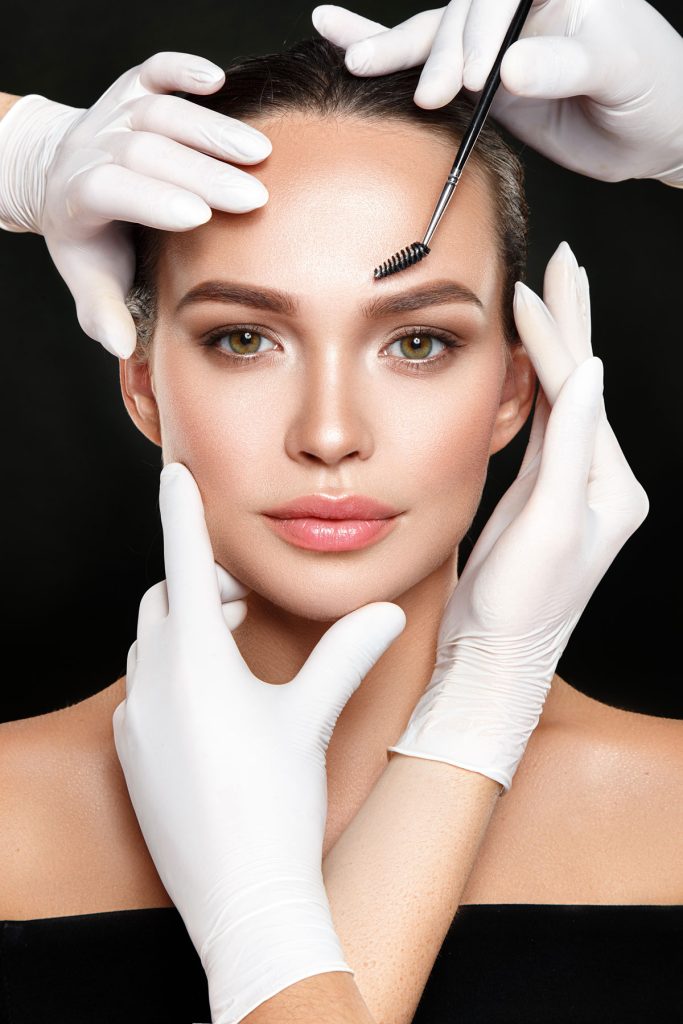
Microblading has revolutionized the brow game, offering a semi-permanent solution for achieving those dream arches. But the journey doesn’t end after the procedure. One of the first things you’ll encounter is the debate: wet healing vs. dry healing. Why are there two approaches, and which one is right for you? Let’s delve into the world of microblading aftercare and explore why artists might have differing preferences.
The Wet Healing Method:
- Moisture is Key: This method involves applying a gentle ointment (usually recommended by your artist) to the tattooed area several times a day during the initial healing phase (typically 7-10 days). The goal is to keep the microbladed area moist and prevent scabbing.
- Pros: Wet healing can minimize scabbing and potentially lead to more even pigment retention. Some artists find it reduces discomfort during healing.
- Cons: Over-application of ointment can clog pores and potentially affect pigment absorption. Frequent cleaning and aftercare can feel tedious for some clients.
The Dry Healing Method:
- Less is More: This method emphasizes keeping the microbladed area dry with minimal product application. Your artist might recommend gently cleansing the area with a saline solution or water a few times a day.
- Pros: Dry healing can be less time-consuming for clients and might feel more comfortable for those with oily skin. Some artists believe it promotes faster healing and a more natural look.
- Cons: There’s a higher risk of scabbing, which can impact pigment retention if not cared for properly. Improper dry healing can also lead to dryness and discomfort.
Why the Difference in Artist Preferences?
Artists might have different stances on wet vs. dry healing for several reasons:
- Experience and Training: Some artists may have been trained in a specific method and feel more comfortable recommending what they know works well.
- Skin Type Considerations: An artist might favor wet healing for dry skin types or dry healing for oily skin to optimize results based on your individual needs.
- Healing Tendencies: Artists might have observed different healing patterns in their clients and tailor aftercare recommendations accordingly.
The Takeaway: Communication is Key!
Ultimately, the best approach depends on your specific situation and your artist’s expertise. Here’s how to navigate the wet vs. dry debate:
- Ask Questions: During your consultation, discuss aftercare methods with your artist. Understand the rationale behind their recommendation and voice any concerns you might have.
- Listen to Your Artist’s Experience: A reputable artist prioritizes your well-being and will recommend the aftercare method they believe will yield the best results for you.
- Be Open to Options: Discuss both wet and dry healing with your artist and see what aligns best with your lifestyle and skin type.
Remember:
There’s no one-size-fits-all answer when it comes to microblading aftercare. The best practice is to choose a reputable artist who prioritizes communication and tailors their aftercare recommendations to your specific needs. By working together, you can ensure optimal healing and achieve those beautiful, long-lasting brows you deserve!

Leave a Reply