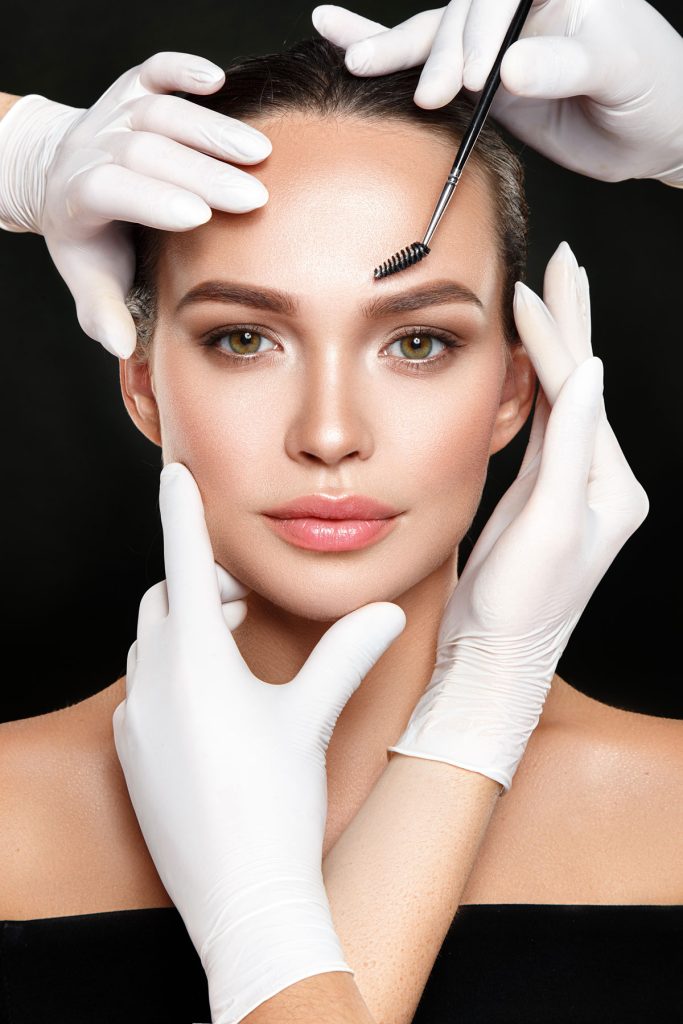

Permanent makeup (PMU) is a popular cosmetic procedure that can enhance your features and save time on your daily makeup routine. However, certain medications can interfere with the healing process and affect the results of PMU. If you’re considering PMU, it’s essential to review your current medications and consult with your doctor to determine if you’re a suitable candidate.
Medications That Can Affect PMU Results
- Blood Thinners: Medications like blood thinners (anticoagulants) can increase the risk of bleeding and bruising during and after the PMU procedure. This can impact the healing process and potentially affect the final result.
- Anti-Inflammatory Medications: Nonsteroidal anti-inflammatory drugs (NSAIDs) like ibuprofen and aspirin can thin your blood and increase the risk of bleeding.
- Acne Medications: Certain acne medications, especially those containing retinoids or benzoyl peroxide, can irritate the skin and interfere with the healing process.
- Corticosteroids: These medications can suppress the immune system and affect wound healing.
- Immunosuppressants: Medications used to suppress the immune system, often prescribed for autoimmune diseases, can also interfere with healing.
- Antibiotics: Some antibiotics can interact with PMU pigments, affecting their color and longevity.
Consulting Your Doctor
Before scheduling your PMU appointment, it’s crucial to consult with your doctor to discuss any medications you’re currently taking. They can assess your overall health and determine if you’re a suitable candidate for the procedure.
Alternative Options
If your medications prevent you from undergoing PMU, don’t despair. There are other cosmetic options available, such as temporary makeup or semi-permanent makeup techniques that might be suitable for you.
Note: This blog post is intended for informational purposes only and does not constitute medical advice. Please consult with your healthcare provider before making any decisions related to your health or beauty treatments.
Leave a Reply