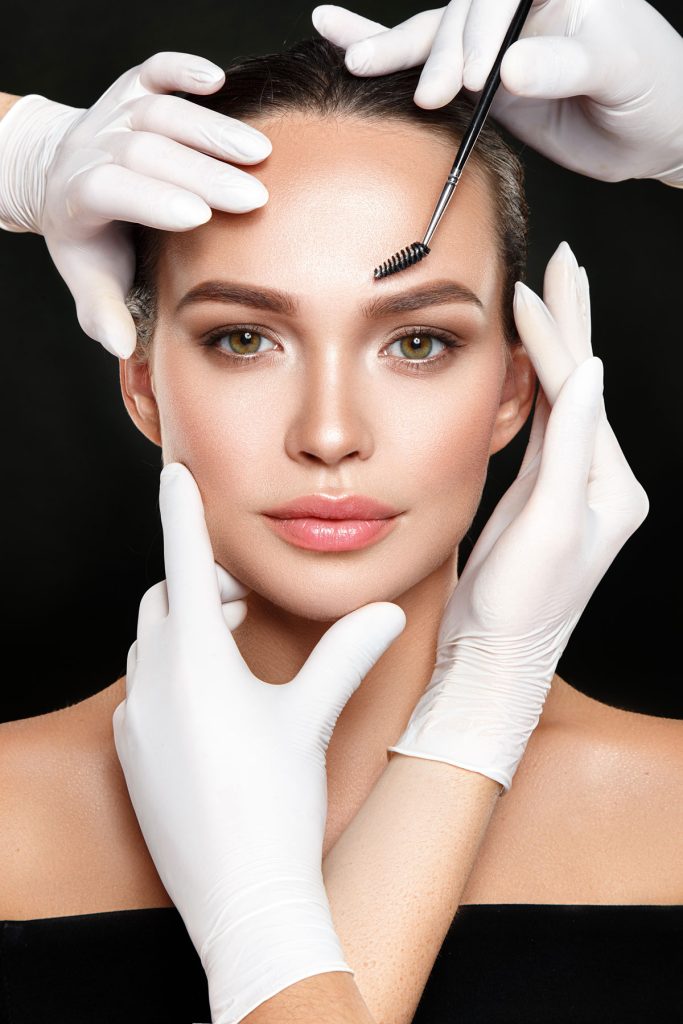

When it comes to permanent makeup (PMU) aftercare, many artists recommend using a healing balm. However, for those with oily skin, a balm might not be necessary and could even hinder the healing process.
The Benefits of Oily Skin
While oily skin can present challenges in other areas of skincare, it often has an advantage when it comes to healing. The natural oils produced by oily skin can help keep the area moisturized and hydrated, promoting faster healing and reducing the risk of dryness or irritation.
Avoiding Excess Oil
While oily skin naturally provides moisture, it’s essential to keep the brow area clean and dry to prevent excessive oil buildup. This can help prevent infection and ensure the pigment adheres properly.
Key Tips for Oily Skin and PMU
- Gentle Cleansing: Use a mild, oil-free cleanser to gently wash the brow area daily.
- Avoid Touching: Resist the urge to touch or pick at your brows, as this can transfer oils and bacteria.
- Blot Excess Oil: If your brows become excessively oily throughout the day, use blotting papers to gently absorb the excess oil.
- Avoid Heavy Products: Opt for lightweight, non-comedogenic products to prevent clogged pores and further oil production.
The Risks of Using a Balm
Using a balm on oily skin can sometimes lead to:
- Increased Oil Production: The balm might clog pores and stimulate the skin to produce more oil.
- Slower Healing: Excess oil can create a barrier that hinders the healing process and prevents the pigment from settling properly.
Conclusion
While individual skin types may vary, many people with oily skin find that a healing balm is unnecessary for PMU aftercare. By focusing on keeping the brow area clean, dry, and free from excessive oil, you can promote optimal healing and achieve long-lasting results.
Remember, if you have any concerns about your skin or the healing process, it’s always best to consult with your PMU artist.
Leave a Reply