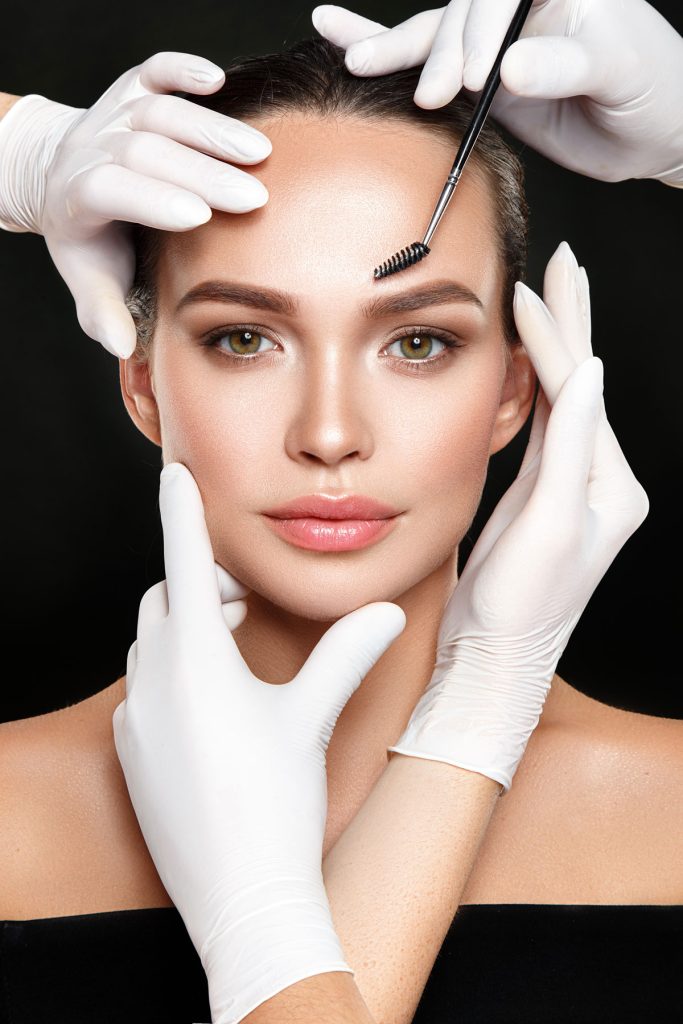

Facing cancer treatment is a challenging journey, and many individuals seek ways to maintain a sense of normalcy and self-confidence during this time. Eyebrow tattoos, whether microblading, powder brows, or other forms of permanent makeup, can seem like a promising solution for hair loss. However, navigating this procedure before, during, or after cancer treatment requires careful consideration and open communication with your medical team. This blog post explores the pros and cons, potential risks, and crucial factors to discuss with your healthcare providers.
Understanding the Challenges: Why Timing Matters
Cancer treatment, including chemotherapy, radiation, and surgery, can significantly impact the body, particularly the skin and immune system. These changes can directly affect the safety and success of an eyebrow tattoo procedure.
Before Cancer Treatment: A Potential Window of Opportunity
- Pros: Getting an eyebrow tattoo before starting treatment can be a good option for some individuals. Your skin is likely healthier, and you won’t be dealing with the side effects of treatment. This can help you feel more prepared and confident as you begin your cancer journey.
- Cons: It’s essential to allow ample healing time (typically 4-6 weeks) after the tattoo and before starting any cancer treatment. This ensures the brows have healed properly and minimizes the risk of infection when your immune system might be compromised. There’s also the possibility that the shape or style you choose before treatment may not align with how you feel or look during treatment.
During Cancer Treatment: Generally Not Recommended
- Risks: Undergoing an eyebrow tattoo during cancer treatment is generally discouraged due to several factors:
- Compromised Immune System: Chemotherapy and other treatments weaken the immune system, making you highly susceptible to infections. Tattooing creates tiny wounds, increasing the risk of infection, which can be particularly dangerous for immunocompromised individuals.
- Skin Sensitivity: Cancer treatment can make your skin incredibly sensitive, dry, and prone to irritation. This can affect how the pigment is absorbed and how the brows heal, potentially leading to poor results or complications.
- Increased Bleeding: Some cancer treatments can affect blood clotting, increasing the risk of bleeding during the procedure.
- Medication Interactions: Many cancer medications can interact with numbing agents or other products used during the tattooing process.
- Unpredictable Healing: Due to the body’s weakened state, healing can be unpredictable and prolonged.
- Medications and Their Impact: Chemotherapy drugs, in particular, can have profound effects on the skin and hair follicles. These drugs are designed to target rapidly dividing cells, including hair follicles, which is why hair loss is a common side effect. Steroids, often used to manage side effects of cancer treatment, can thin the skin, making it more delicate and prone to complications during tattooing. It’s impossible to predict how these medications will affect pigment retention and healing.
After Cancer Treatment: A Time for Careful Consideration
- Pros: Once you’ve completed cancer treatment and your doctor gives you clearance, you can consider getting an eyebrow tattoo. This can be a wonderful way to regain confidence and feel more like yourself after hair loss.
- Cons: It’s crucial to ensure your body has recovered sufficiently before undergoing any cosmetic procedures. Your immune system should be functioning optimally, and your skin should be healthy. This may take time, sometimes several months or even years after treatment.
- Medication Considerations: Even after treatment, some medications may still be necessary, and these can affect the tattoo. It’s crucial to discuss all medications you are taking with both your oncologist and your chosen tattoo artist.
Crucial Questions to Ask Your Medical Team & Artist:
- When is it safe for me to consider an eyebrow tattoo?
- Are there any specific risks associated with my type of cancer treatment?
- Are there any medications I am taking that would contraindicate an eyebrow tattoo?
- How long should I wait after completing treatment before getting a tattoo?
- What are the potential risks of infection or complications given my current health status?
- What type of eyebrow tattoo technique would be most suitable for me, considering my skin sensitivity?
Finding a Qualified Artist:
Choosing a reputable and experienced artist is paramount, especially when dealing with clients who have undergone cancer treatment. Look for an artist who:
- Is compassionate and understanding of your situation.
- Has experience working with clients who have sensitive skin or medical conditions.
- Prioritizes hygiene and safety.
- Is willing to consult with your medical team to ensure the procedure is safe for you.
The Bottom Line: Prioritize Your Health
While the desire for beautiful brows is understandable, your health and well-being must always be the top priority. Open and honest communication with your oncologist and your chosen tattoo artist is crucial. Don’t hesitate to ask questions, express your concerns, and follow their guidance. A successful eyebrow tattoo is secondary to your overall health and recovery. By taking a cautious and informed approach, you can make the best decision for your individual circumstances.
Questions, comments, and concerns? ~Ambar
Take the QUESTIONNAIRE here to qualify.
Leave a Reply