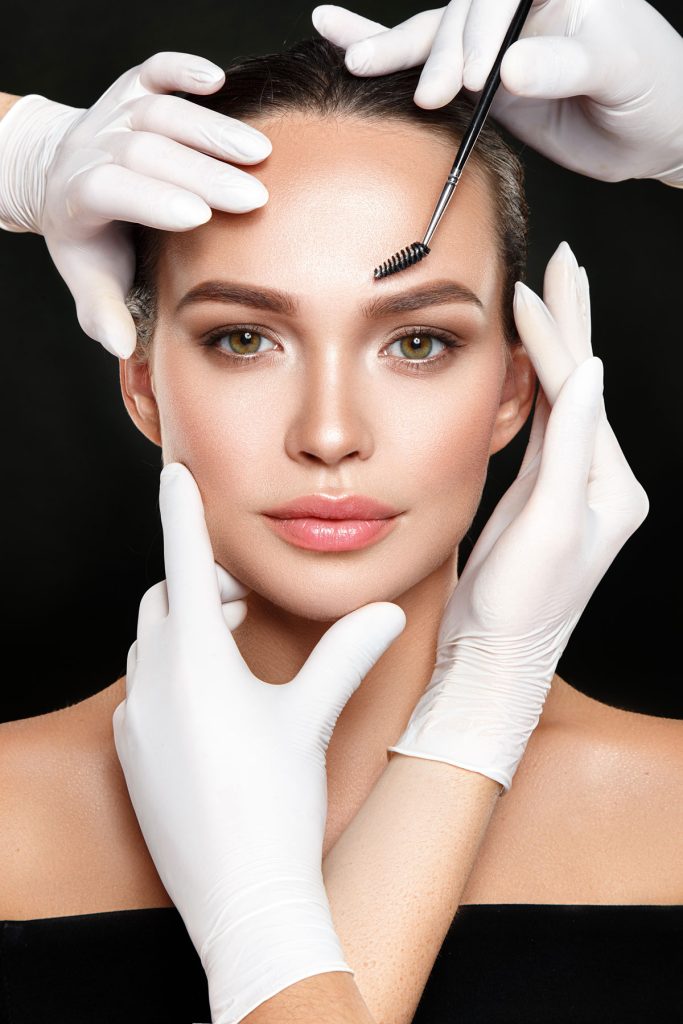

If you’ve undergone microblading and experienced less-than-ideal results or scarring, you’re likely considering your options for a touch-up or correction. One popular choice is nanobrows, a technique that uses a digital machine to create hair-like strokes. But is it the right choice for skin with scar tissue?
Understanding Scar Tissue and Microblading
Microblading involves creating hair-like strokes by manually inserting pigment into the skin. While it can produce stunning results, it can also lead to scarring, even with an experienced hand. Scar tissue can make the skin less receptive to pigment, resulting in uneven color distribution, fading, and a less natural appearance.
The Benefits of Nano Brows for Scarred Skin
Nano brows, on the other hand, use a fine needle and a machine to deposit pigment into the skin. This technique is less invasive than microblading, reducing the risk of further scarring. Here’s why nanobrows might be a better option for skin with scar tissue:
- Less Trauma: The machine-based approach causes less trauma to the skin, minimizing the risk of irritation and inflammation.
- Improved Pigment Retention: Nano brows tend to have better pigment retention, even on scarred skin, as the pigment is deposited more superficially.
- Versatility: Nano brows offer more flexibility in terms of stroke density, color, and shape, allowing for better customization on scarred skin.
- Reduced Healing Time: The healing process is generally quicker and less uncomfortable with nano brows compared to microblading. (Only on the surface, deep skin is still healing for 28 days)
Important Considerations
While nano brows can be a great option for those with scar tissue, it’s essential to choose an experienced and skilled artist. A qualified technician will be able to assess your skin condition and recommend the best approach.
Additionally, it’s important to manage expectations. While nano brows can significantly improve the appearance of scarred skin, complete restoration is not always possible. However, with the right artist and proper aftercare, you can achieve a noticeable improvement in your brows.
Ultimately, the decision between microblading and nano brows for scar tissue is a personal one. It’s essential to weigh the pros and cons and consult with a qualified artist to determine the best course of action for your specific needs.
Remember, patience is key when dealing with scar tissue. The healing process may take longer, and multiple sessions might be required to achieve the desired results.
Have you experienced issues with microblading scar tissue? Share your story in the comments below.
Leave a Reply