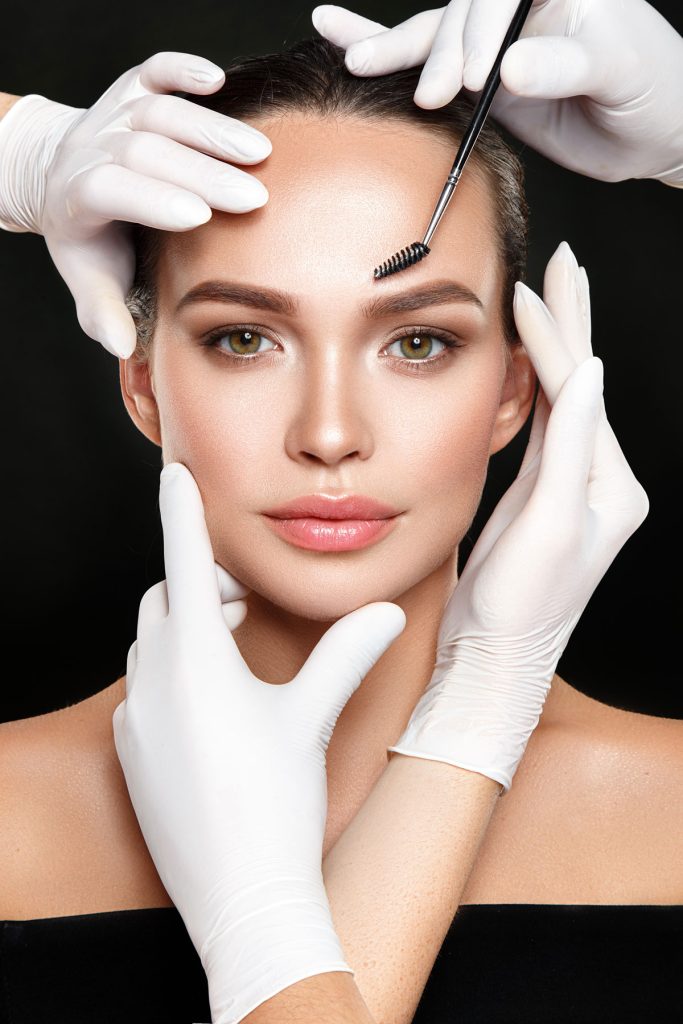

Getting permanent makeup (PMU) is an exciting step towards enhancing your natural beauty. However, before you lie back in the artist’s chair, there’s a vital step you shouldn’t skip: taking a good, hard look at your own face, especially your brows. You might think you know your face well, but you’d be surprised at what can be overlooked.
The Case of the Missing Hair (and Other Surprises)
As a PMU artist, I’ve encountered numerous instances where clients were unaware of certain features on their own faces. I’ve mapped brows only to discover the client had no idea hair even grew in a particular area, or that they had a mole, freckle, or scar that could impact the PMU process.
This lack of self-awareness can lead to confusion and even frustration after the procedure. I’ve had clients question why I placed their brows in a certain location, claiming it wasn’t where they “thought” their brows were. It’s important to note that I always have clients approve the mapped design before beginning the procedure, allowing for adjustments and ensuring they are happy with the placement.
Documentation is Key: Protecting Both Artist and Client
To prevent misunderstandings and alleviate client anxiety, I always take detailed before-and-after photos and videos. I especially rely on bright lighting and macro zoom videos to capture every detail of the client’s existing brows. This documentation serves several crucial purposes:
- Proof of Existing Features: The photos and videos provide undeniable proof of pre-existing moles, freckles, scars, and hair growth patterns.
- Defense Against Misunderstandings: In the rare case of a client questioning the work, the documentation provides concrete evidence of the initial state of their brows.
- Client Reassurance: Most importantly, the documentation helps alleviate any anxiety the client may have about their new brows. Seeing the before-and-after comparison can be incredibly reassuring and helps them appreciate the transformation.
“I Never Look at Myself”: A Common and Concerning Phrase
Surprisingly, many clients admit, “I never really look at myself.” This highlights the importance of emphasizing the pre-PMU self-check. Taking the time for a detailed self-examination can prevent a lot of confusion and ensure a smoother, more positive PMU experience.
Beyond Aesthetics: A Life-Saving Discovery
The importance of this pre-PMU self-examination goes beyond aesthetics. In one instance, while examining a client’s brows, I noticed a mole that looked suspicious. I advised her to see a dermatologist, and it turned out to be skin cancer. This experience underscored the potential for PMU artists to play a role in early detection and potentially save lives.
How to Conduct Your Pre-PMU Brow Check:
- Good Lighting: Stand in front of a mirror with good, natural lighting.
- Full Face View: Look at your entire face to assess the overall balance and how your brows fit within your features.
- Close-Up Examination: Get closer to the mirror and examine your brows in detail.
- Hair Growth Patterns: Pay attention to where your brow hair naturally starts, arches, and ends.
- Moles, Freckles, Scars: Note the presence of any moles, freckles, scars, or other markings within or around your brows.
- Take Photos: Take clear photos of your brows from different angles.
- Dynamic Movement: This is crucial! Make funny faces in the mirror – raise your eyebrows, furrow your brow, smile, frown. Even have a conversation with yourself, paying attention to how your brow muscles move and how the shape of your brows changes with these expressions. This will give you a better understanding of how your brows naturally move and how they’ve adjusted over the years due to muscle movement and skin elasticity.
By taking the time to truly know your brows – both in their resting state and during movement – before your PMU session, you can ensure a smoother, more satisfying experience and avoid potential misunderstandings. It’s a small step that can make a big difference.
Leave a Reply