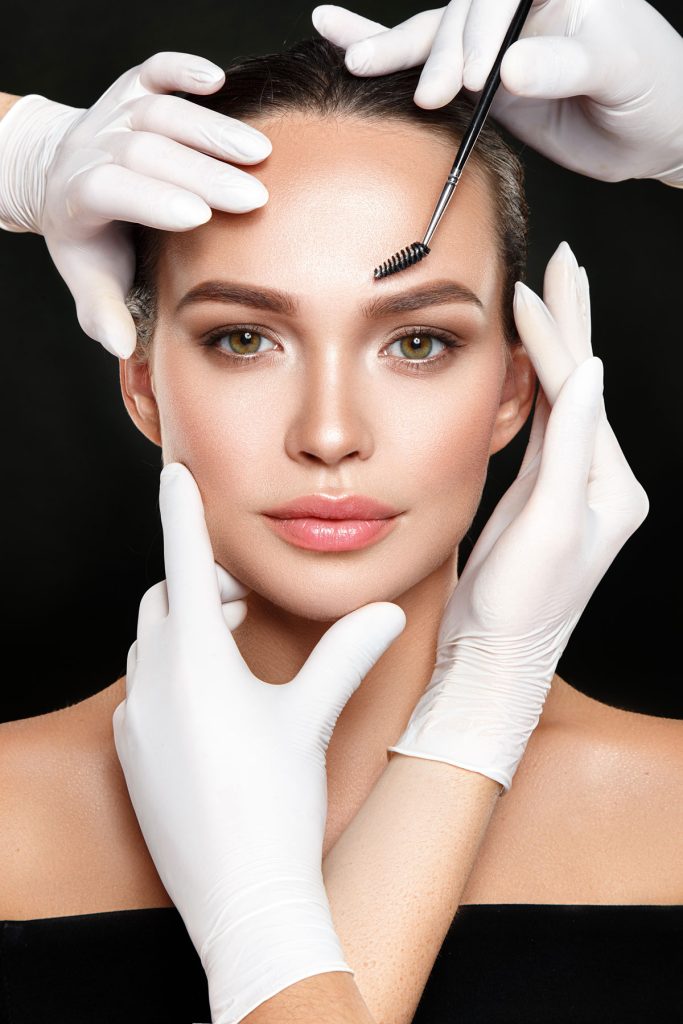

You’ve just invested in a brand new set of brows – congratulations! But instead of feeling thrilled, you’re experiencing a wave of…discomfort? Disorientation? Maybe even a little panic? Don’t worry, you’re likely experiencing what’s commonly known as “brow shock,” and it’s perfectly normal.
What is Brow Shock?
Brow shock is the feeling of surprise, and sometimes even distress, that clients experience immediately after a brow enhancement procedure, such as microblading, powder brows, or nanobrows. It’s that moment you look in the mirror and see a reflection that feels…different.
Why Does Brow Shock Happen?
Several factors contribute to brow shock:
- Unfamiliarity: You’re used to seeing your everyday brows, which are often uneven, sparse, or have a shape you’ve become accustomed to, even if it’s not ideal. Suddenly seeing perfectly shaped, symmetrical, and full brows can be a visual jolt. Your brain needs time to adjust to this new image.
- Color Saturation: Even if you and your artist agreed to create a brow that closely mimics your everyday makeup, the initial color saturation of freshly tattooed brows can be quite intense. This is because the pigment is fresh and sitting on the surface of the skin. Don’t panic! The color will soften and lighten significantly during the healing process.
- Shape Transformation: If you came in with brows that were round, far apart, uneven, or otherwise unbalanced, the transformation to a more balanced and flattering shape can be particularly shocking. Bringing the brows closer together, creating a defined arch, or adding fullness can dramatically change the appearance of your face.
Working Through Brow Shock: A Step-by-Step Guide
If you’re experiencing brow shock, here’s how to navigate this common experience:
- Trust the Process: Remind yourself that the initial results are not the final results. The color will soften, and the brows will shrink slightly during the healing process. This is a crucial part of the PMU journey.
- Look at the Before-and-After Photos: Your artist should have taken before photos. Comparing these photos to your new brows will help you see the immediate improvement and understand the changes that have been made. This visual comparison can be incredibly reassuring and help alleviate anxiety.
- Remember the Mapping Approval: Talk to your artist and make sure you can approve the mapping design before they begin. If your artist insists on not showing you then it’s best to walk away. However if your artist shows you the mapping and you do approve the design, this means you were on board with the shape and placement at that time. Trust that the artist followed the agreed-upon design.
- Healing Takes Time: The healing process takes several weeks. During this time, the brows will go through various stages, including scabbing, flaking, and lightening. Be patient and follow your artist’s aftercare instructions carefully.
- Two Sessions for Perfection: Most PMU procedures require two sessions to achieve the final, desired result. The touch-up session allows the artist to refine the shape, color, and density of the brows, ensuring they are perfectly tailored to your face.
- Look at Healed Examples: A good artist will have a portfolio of healed results, often showcasing clients with similar skin tones and brow colors. Looking at these examples can give you a realistic expectation of what your brows will look like once fully healed.
The Importance of Pre-Procedure Communication
Open and honest communication with your artist before the procedure is paramount. Discuss your expectations, concerns, and desired results in detail. Showing examples of brows you like (and dislike) can be helpful. By thoroughly explaining the process, showing before-and-after photos, and ensuring the client approves the mapping, the artist can build trust and minimize the impact of brow shock.
Brow shock is a temporary feeling. By understanding what it is, why it happens, and how to work through it, you can confidently embrace your beautiful new brows and enjoy the long-term benefits of PMU.
Leave a Reply