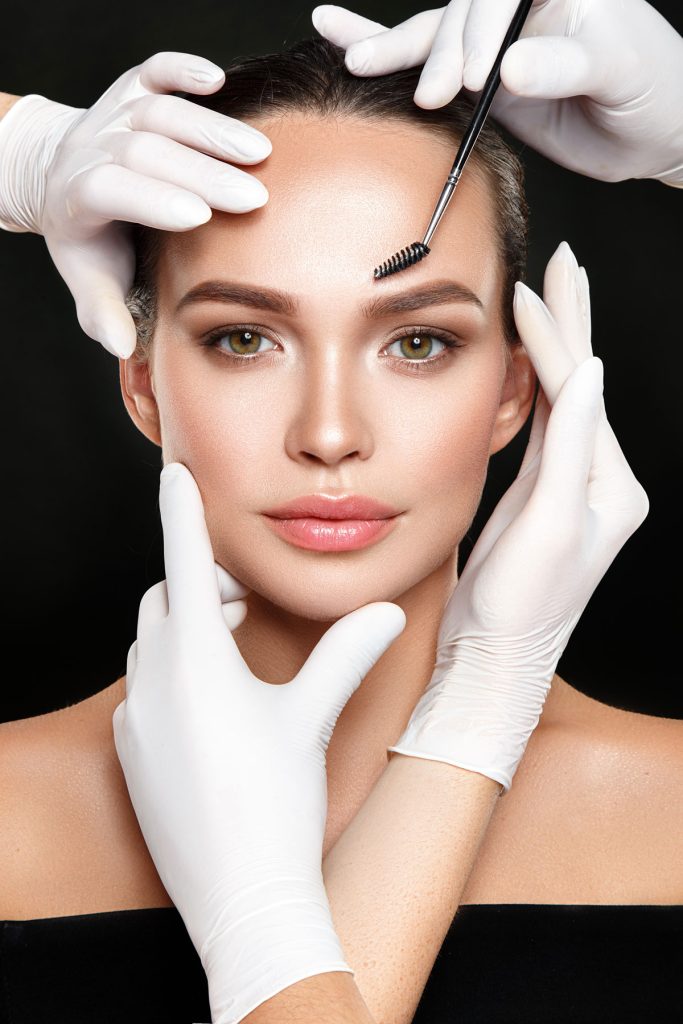

Brows. They frame our face, express our emotions, and, let’s be honest, can make or break our look. Microblading has long reigned supreme in the quest for perfect arches, but a new contender has entered the arena: nanobrows. You might be thinking, “Aren’t they the same thing?” Great question! While they both aim for fuller, natural-looking brows, the devil (or should we say, the detail) is in the difference. Let’s dive into why nanobrows are gaining major popularity and debunk the myth that these techniques are interchangeable.
The Similarities: Where the Confusion Lies
Both microblading and nanobrows fall under the umbrella of semi-permanent makeup. They both involve depositing pigment into the skin to create the illusion of hair strokes, offering a solution for sparse brows, uneven shapes, or simply wanting a more defined look. This shared goal is the primary reason people often mistake them for the same thing. Both techniques also use similar pigments, which further adds to the confusion.
The Differences: Where the Magic Happens (and Why Nanobrows Shine)
Now, let’s get to the juicy details. The key differences lie in the how and the results.
- The Tool Tells the Tale: Microblading uses a manual, handheld tool with a blade comprised of multiple tiny needles. Nanobrows, on the other hand, employ a digital machine with a single, ultra-fine needle (often thinner than a strand of hair!). This seemingly small difference makes a world of difference.
- Stroke Precision: The single needle in nanobrows allows for incredibly precise, delicate hair strokes. Think of it like sketching with a fine-tip pen versus a calligraphy marker. The results are more refined, mimicking the natural flow and texture of real brow hairs. Microblading, while creating hair-like strokes, can sometimes result in slightly thicker, less defined strokes.
- Scar Tissue: The Unspoken Truth: This is a big one. Because microblading involves deeper pigment implantation and multiple blade strokes, there’s a higher risk of developing scar tissue over time, especially with repeated touch-ups. Nanobrows, with their shallower pigment placement and gentler single needle approach, significantly minimize this risk. Scar tissue can alter how pigment heals and can even make future procedures more challenging.
- Pigment Power: Same Pigment, Different Results: Here’s where things get really interesting. Even when the same pigment is used in both techniques, the results can look drastically different. The way the pigment is deposited (deeper in microblading, shallower in nanobrows) affects how it settles and heals. Nanobrows often heal with a softer, more diffused look, while microblading can sometimes heal darker and bolder.
- Longevity & Fading: Both techniques require touch-ups, but the fading process can differ. Nanobrows, due to the shallower placement, might require slightly more frequent touch-ups, but they often fade more gracefully, softening into a beautiful, powdered brow look. Microblading can sometimes fade unevenly or leave behind a shadow of the original strokes.
Why the Nanobrow Buzz?
So, why is everyone talking about nanobrows? It boils down to this: they offer a gentler, more precise, and often longer-lasting solution for achieving natural-looking brows. The reduced risk of scarring, the ability to create incredibly fine hair strokes, and the softer healing process are major draws.
The Bottom Line:
While both techniques can enhance your brows, understanding the nuances is crucial. Nanobrows offer a more refined, less invasive approach, making them a popular choice for those seeking a natural, long-lasting, and low-maintenance brow transformation. If you’re considering enhancing your arches, do your research, consult with a skilled artist experienced in both techniques, and choose the method that best aligns with your brow goals and lifestyle. Don’t just follow the trend – choose the technique that’s right for you.
Leave a Reply