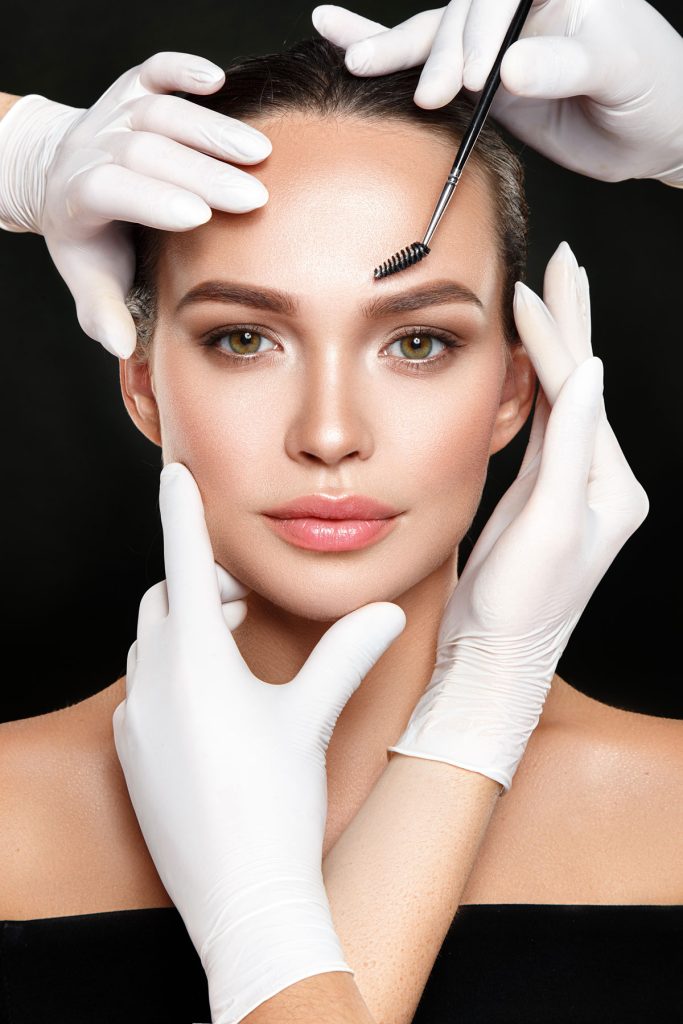

Oh no! You’ve woken up, ready to pamper your freshly tattooed brows, and your trusty aftercare balm has mysteriously disappeared. Panic sets in. What do you do? Don’t worry, brow besties, we’ve got you covered! While your artist’s recommended balm is ideal, life happens, and sometimes you need a backup plan. Let’s explore some alternatives and how they might work for different skin types:
The Goal: Gentle Moisture & Protection
Remember, the key to permanent makeup aftercare is gentle moisture and protection. We need to keep the area clean, hydrated, and shielded from irritants while it heals. Any alternative should mimic these properties.
Alternative Options (and Their Skin Type Compatibility):
1. Aquaphor (or Similar Petrolatum-Based Ointments):
- Pros: Creates a strong barrier, protecting the healing wound from environmental factors. Readily available and affordable.
- Cons: Can be occlusive (trapping moisture in and potentially preventing the skin from breathing properly). Can feel heavy and greasy.
- Skin Type Compatibility:
- Normal/Dry: Generally works well, providing intense moisture.
- Combination: Use sparingly, focusing on the drier areas. Avoid over-application on the oily T-zone.
- Oily: Probably not the best choice. Can contribute to clogged pores and potential breakouts.
- Sensitive: May be too heavy for some sensitive skin, potentially causing irritation. Patch test before full application.
- Mature: Can be beneficial for mature skin due to its intense moisturizing properties, but use a thin layer.
2. Coconut Oil:
- Pros: Natural, readily available, and possesses some antimicrobial properties.
- Cons: Can be comedogenic (pore-clogging) for some individuals. Melts easily in warm weather.
- Skin Type Compatibility:
- Normal/Dry: Can be a good option, providing natural moisture.
- Combination: Use cautiously, focusing on drier areas and avoiding the T-zone.
- Oily: Likely not suitable due to its comedogenic potential.
- Sensitive: Can be irritating for some sensitive skin. Patch test recommended.
- Mature: Can be beneficial for mature skin due to its moisturizing properties.
3. Rosehip Oil:
- Pros: Rich in antioxidants and fatty acids, potentially promoting skin regeneration.
- Cons: Can be pricey. May not provide as strong of a protective barrier as ointments.
- Skin Type Compatibility:
- Normal/Dry: A good option for its nourishing properties.
- Combination: Use sparingly, focusing on drier areas.
- Oily: May be too rich for some oily skin types, potentially leading to breakouts.
- Sensitive: Generally well-tolerated, but patch testing is always wise.
- Mature: Excellent for mature skin due to its regenerative properties.
4. Vaseline (Petroleum Jelly):
- Pros: Creates a very strong occlusive barrier, readily available and inexpensive.
- Cons: Very occlusive, potentially trapping moisture and hindering proper breathing of the skin. Can feel very greasy.
- Skin Type Compatibility:
- Normal/Dry: Might work in a pinch, but use sparingly due to its occlusive nature.
- Combination: Definitely not recommended for the oily areas. Use with extreme caution on dry areas.
- Oily: Absolutely avoid. High risk of clogged pores and breakouts.
- Sensitive: Can be too heavy and irritating for sensitive skin. Patch test is essential.
- Mature: Can be used very sparingly on mature, dry skin, but there are better options.
5. Jojoba Oil:
- Pros: Mimics the skin’s natural sebum, making it potentially less comedogenic than other oils. Absorbs relatively quickly.
- Cons: May not provide a strong enough protective barrier for some.
- Skin Type Compatibility:
- Normal/Dry: A good option due to its similarity to sebum.
- Combination: Can be used, but monitor for any signs of congestion.
- Oily: Potentially a better oil choice for oily skin compared to coconut or Vaseline, but still use cautiously.
- Sensitive: Generally well-tolerated, but a patch test is still recommended.
- Mature: Can be beneficial for its moisturizing and potentially balancing properties.
6. Dragon’s Blood Balm/Butter:
- Pros: Often marketed for tattoo aftercare, containing ingredients that may promote healing and reduce inflammation.
- Cons: Can be expensive. Availability may vary.
- Skin Type Compatibility: Varies depending on the specific formulation. Check the product label for recommendations.
7. Shea Butter:
- Pros: Natural, moisturizing, and contains anti-inflammatory properties.
- Cons: Can be comedogenic for some individuals, especially in its pure form. Can be greasy.
- Skin Type Compatibility:
- Normal/Dry: Can be a good option, providing rich moisture.
- Combination: Use cautiously, focusing on drier areas.
- Oily: Not recommended due to its comedogenic potential.
- Sensitive: May be irritating for some sensitive skin. Patch test recommended.
- Mature: Can be beneficial for mature skin due to its moisturizing properties.
8. CeraVe/Cetaphil/Curel (Fragrance-Free Lotions):
- Pros: Readily available, designed for sensitive skin, often contain ceramides to support the skin barrier.
- Cons: May not provide as strong of a protective barrier as ointments.
- Skin Type Compatibility: Generally suitable for most skin types, including sensitive and mature skin. Choose a fragrance-free version. Lighter lotions might be better for oily skin.
The Importance of a Patch Test:
Regardless of the alternative you choose, performing a patch test is crucial, especially if you have sensitive skin. Apply a small amount of the product to an inconspicuous area (like the inside of your wrist) and wait 24 hours to see if any irritation occurs.
When in Doubt, Contact Your Artist!
The best course of action is always to contact your cosmetic tattoo artist. They can provide personalized advice based on your specific procedure and skin type. They might even have a spare balm you can purchase.
Remember: These alternatives are temporary solutions until you can get your hands on your artist’s recommended aftercare balm. Prioritize your brows’ health and always consult with a professional if you have any concerns. Happy healing!
Leave a Reply