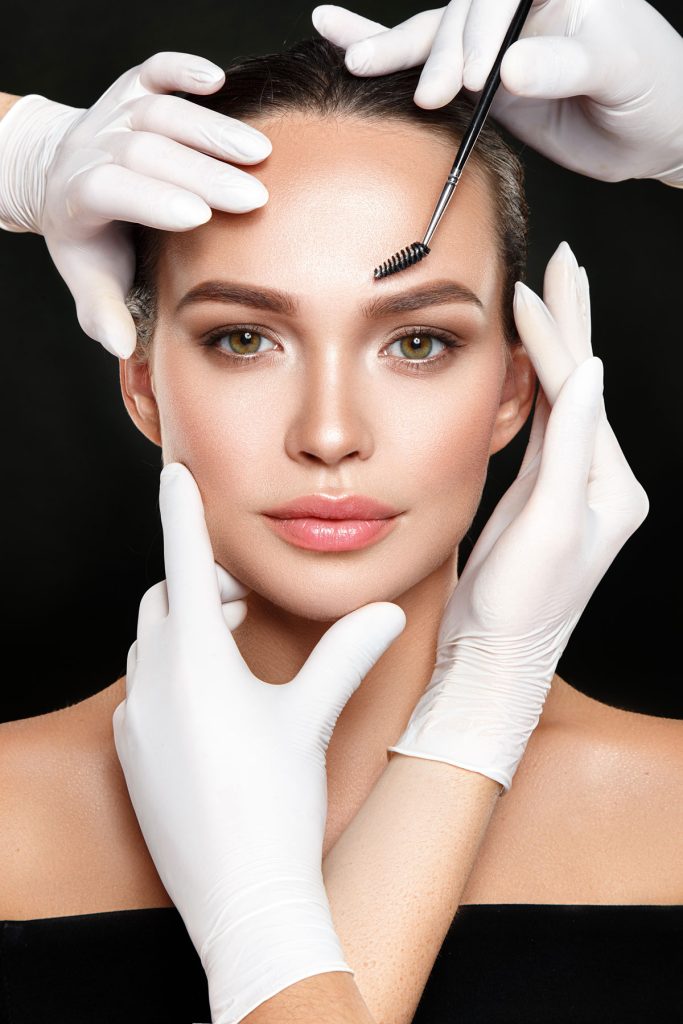

You’ve meticulously chosen the perfect pigment for your dream brows. It looked divine in the bottle, a rich, warm brown that promised to frame your face beautifully. But after the healing process, your brows look…different. Maybe they’re cooler, grayer, or even a shade lighter than you anticipated. What’s the deal? Why doesn’t the pigment in the bottle perfectly match your healed brows? It’s a question every PMU client asks, and today, we’re unraveling the mystery of the healing brow color.
The Skin: Your Unique Canvas
Think of your skin as the canvas upon which your artist creates their masterpiece. And just like any canvas, it has its own unique characteristics that influence the final artwork.
- Skin Tone & Undertones: Your natural skin tone and undertones (warm, cool, or neutral) play a significant role in how the pigment appears. A warm skin tone can pull a pigment warmer, while a cool skin tone might make it appear cooler.
- Skin Texture & Type: Oily skin can cause pigments to spread slightly during healing, leading to a softer, less defined look. Dry skin, on the other hand, can sometimes hold onto pigment too well, resulting in a bolder, more intense color. Skin texture (smooth vs. slightly textured) can also impact how light reflects off the pigment, affecting its perceived color.
- Skin’s Natural Pigments: Your skin naturally contains pigments like melanin. These pigments can interact with the implanted PMU pigment, subtly altering the final color.
The Healing Process: A Transformation in Stages
The healing journey is a dynamic process that significantly influences the final brow color.
- Initial Darkness: Immediately after the procedure, your brows will appear darker and more intense. This is because the pigment is sitting closer to the surface of the skin.
- The Scabbing Phase: As your brows heal, they will form small scabs. These scabs contain pigment, and as they fall off, some pigment is naturally lost. This is a normal part of the process and contributes to the lightening of the brows.
- The Settling Period: Once the scabs have shed, the pigment settles deeper into the skin. Over the next few weeks, the color will continue to evolve and soften. It takes time for the true color to emerge.
- The Oxidation Factor: Pigments can react with oxygen in the air and within your skin, which can cause subtle color changes over time. This is why some pigments might appear slightly warmer or cooler after healing.
Pigment Formulation: Science Meets Artistry
PMU pigments are complex formulations of various colorants and other ingredients.
- Pigment Particle Size: The size of the pigment particles can influence how they are absorbed and retained by the skin. Smaller particles may heal softer, while larger particles might heal bolder.
- Pigment Composition: Different pigments contain different ingredients, which can affect their stability and how they react with your skin. Some pigments are designed to heal warmer, while others are formulated for a cooler result.
- Pigment Quality: High-quality pigments are generally more stable and predictable in their healing process. However, even the best pigments can be influenced by the factors mentioned above.
Artist Technique: The Human Element
The skill and technique of your PMU artist also play a role in how the pigment heals.
- Depth of Implantation: The depth at which the pigment is implanted into the skin can affect its intensity and longevity. Pigment placed too superficially might fade quickly, while pigment placed too deeply can lead to unwanted color changes or migration.
- Stroke Technique (Microblading): The way the hair-like strokes are created in microblading can influence the overall look and color of the brows.
- Shading Technique (Powder Brows): The way the shading is applied in powder brows can affect the density and color saturation of the brows.
Lifestyle and Health: The Internal Influence
Beyond skin deep, your lifestyle and health play a crucial role in how your brows heal.
- Smoking: Smoking restricts blood flow, which can lead to pigments healing cooler, grayer, or ashy. It can also impair healing and increase the risk of complications.
- Sun Exposure: Unprotected sun exposure is a major culprit in pigment fading and can even alter the color over time. Daily sunscreen is a must!
- Sweating: Excessive sweating can cause pigments to fade faster and, in some cases, can contribute to a reddish undertone in the healed brows due to increased blood flow to the area.
- Medications: Certain medications, such as blood thinners, can affect how pigments are retained and how the skin heals.
- Health Conditions: Some health conditions, particularly autoimmune diseases, can impact the healing process and pigment retention.
Environment: The Climate Connection
Where you live can also influence your healed brow results.
- Dry Climates: Dry air can lead to drier skin, which, as mentioned earlier, can affect pigment retention and healing.
- Humid Climates: Increased humidity can lead to more sweat production, potentially causing pigments to fade faster and even turn slightly redder due to increased blood flow to the area.
The Takeaway:
Achieving the perfect brow color is a complex equation involving skin type, healing process, pigment formulation, artist technique, lifestyle, health, and environment. While the pigment in the bottle provides the foundation, it’s the interplay of these factors that ultimately determines the final healed result.
Managing Expectations:
It’s crucial to have open communication with your PMU artist. They can assess your skin, discuss your desired brow color, and manage your expectations regarding the healing process. Remember that the initial color you see immediately after the procedure is not the final healed color. Be patient, trust the process, and allow your brows to heal fully before judging the final result.
The Beauty of Individuality:
Ultimately, the unique way your brows heal is a reflection of your own individuality. Embrace the subtle variations and remember that the goal is to enhance your natural beauty, not to achieve a perfect replica of the pigment in the bottle.
Leave a Reply