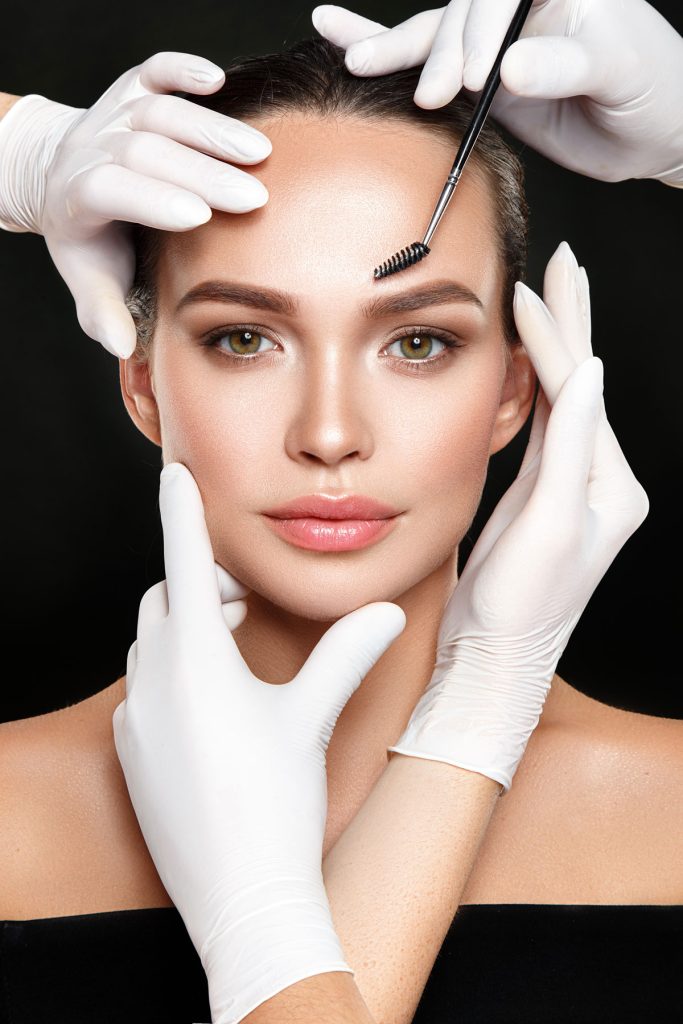

You’ve invested in a beautiful lip blush, and you’re loving the natural flush and defined shape it’s given your lips! But like all semi-permanent makeup, lip blushing fades over time. So, how much fading can you realistically expect over a year, post-initial session and touch-up? Let’s break down the fading process and set some realistic expectations.
The Initial Healing: A Color Rollercoaster
First, it’s crucial to understand the initial healing process. Immediately after your lip blush procedure, your lips will appear much darker and more intense than the final healed result. This is completely normal! Within a few days, you’ll experience scabbing and peeling. Don’t panic! This is just your lips shedding the top layer of pigmented skin. Once the scabbing subsides, the color will appear significantly lighter, sometimes even alarmingly so.
The Touch-Up: Locking in the Color and Shape
The touch-up appointment, typically scheduled 6-8 weeks after the initial session, is essential for perfecting your lip blush. This session allows your artist to:
- Fill in any patchy areas.
- Deepen the color.
- Refine the shape.
- Ensure even pigment distribution.
After the touch-up, you’ll go through a similar healing process, with initial darkness followed by scabbing and lightening.
The First Year: A Gradual Softening
Now, let’s talk about the fading you can expect over the next year. Several factors influence how quickly your lip blush fades:
- Skin Type: Oily skin tends to fade faster than dry skin.
- Lifestyle: Sun exposure, smoking, and frequent exfoliation can accelerate fading.
- Pigment Color: Lighter shades tend to fade more quickly than darker shades.
- Aftercare: Proper aftercare, including moisturizing and sun protection, can prolong the results.
- Individual Metabolism: Everyone’s body metabolizes pigment differently.
Realistic Expectations:
- 30-50% Fading: On average, you can expect your lip blush to fade by 30-50% within the first year. This means the color will become softer and less vibrant.
- Inner Lip Fade: The inner parts of your lips, which are constantly exposed to saliva and friction, may fade faster than the outer edges.
- Subtle Color Change: You might notice a subtle shift in the color’s undertone as it fades.
- Annual Touch-Up: Most clients opt for an annual touch-up to maintain the desired color and shape.
Factors That Accelerate Fading:
- Sun Exposure: UV rays break down pigment. Always wear a lip balm with SPF.
- Smoking: Smoking restricts blood flow and can cause pigment to fade unevenly.
- Exfoliating Products: Avoid using harsh scrubs or exfoliating products on your lips.
- Certain Medications: Some medications can affect pigment retention.
- Chlorinated Water: Frequent swimming in chlorinated pools can fade your lip blush.
Tips to Prolong Your Lip Blush:
- Protect Your Lips from the Sun: Use a lip balm with SPF daily.
- Stay Hydrated: Drink plenty of water to keep your lips moisturized.
- Avoid Harsh Products: Use gentle lip products and avoid excessive exfoliation.
- Follow Aftercare Instructions: Adhere to your artist’s aftercare instructions diligently.
- Schedule Regular Touch-Ups: Annual touch-ups will keep your lip blush looking fresh.
The Bottom Line: Embrace the Natural Softening
Lip blushing is a beautiful way to enhance your natural lip color and shape. While fading is inevitable, it’s a gradual process that creates a softer, more natural look. By understanding the fading process and taking proper care of your lips, you can enjoy your lip blush for years to come. Remember, annual touch-ups are your best friend in maintaining your perfect pout!
What was your lip blush experience? ~Ambar
Leave a Reply