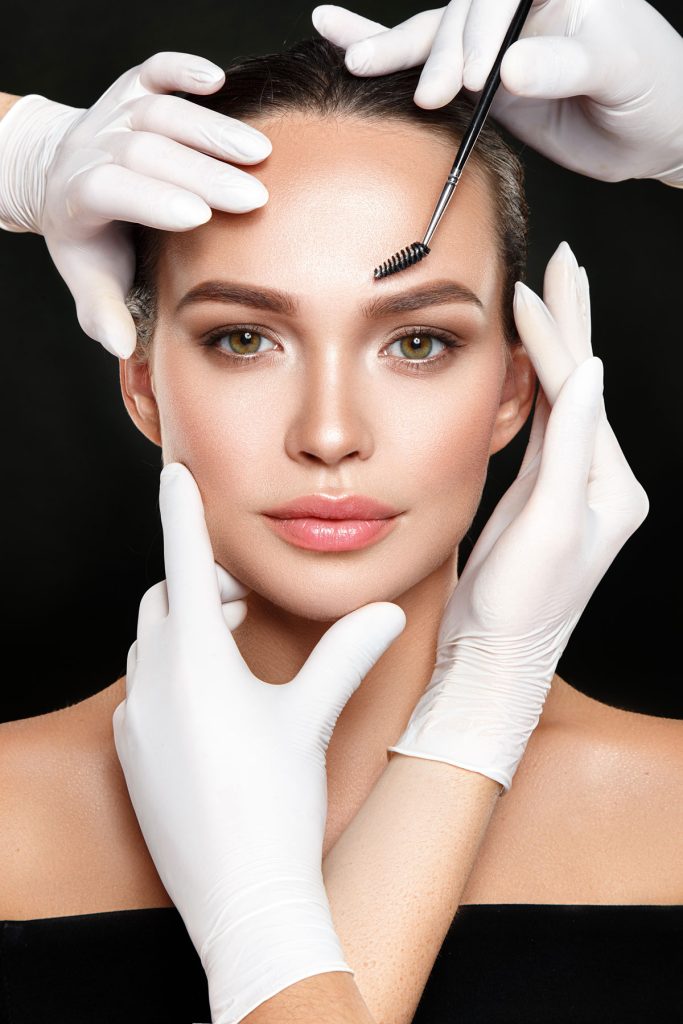
The world of permanent makeup (PMU) is booming, and with it, a crucial question arises: what truly makes a PMU artist an expert? In a field where precision and artistry meet skin science, the answer is far more complex than just a certificate.
The Two-Day Dilemma: A Starting Point, Not an End Goal
Let’s be blunt: a single two-day course, while providing foundational knowledge, does not an expert make. It’s akin to learning the alphabet and declaring yourself a novelist. PMU requires extensive hands-on practice, a deep understanding of skin anatomy, pigment behavior, and a keen artistic eye.
Skin Experience: A Valuable Asset, But Not the Sole Criterion
While experience with skin (e.g., nursing, tattooing) can be beneficial, it’s not the ultimate measure of expertise.
- Nursing Background: Provides a strong understanding of hygiene and anatomy, but doesn’t necessarily translate to artistic skill.
- Tattooing Background: Offers experience with tattooing techniques, but PMU requires a more delicate touch and different pigment knowledge.
Comprehension & Dictation: Knowledge vs. Application
Understanding the material is essential, but simply regurgitating information doesn’t equate to mastery. An expert can:
- Apply theoretical knowledge to real-life scenarios.
- Adapt techniques to individual skin types and needs.
- Troubleshoot complications and correct mistakes.
The “Information” Paradox: When the Blind Lead the Blind
It’s concerning when inexperienced artists, fresh from training, start “teaching” others. This perpetuates misinformation and can lead to poor outcomes.
Who Decides Who’s an Expert? The Lack of Regulation
Unfortunately, the PMU industry often lacks standardized regulations. This makes it challenging to define “expert” objectively. However, several factors contribute to expertise:
- Extensive Training: Multiple advanced courses, certifications, and ongoing education.
- Years of Hands-On Experience: Working on diverse clients and skin types.
- Portfolio of Healed Results: Demonstrating consistent, high-quality healed work.
- Client Testimonials & Reviews: Positive feedback from satisfied clients.
- Industry Recognition: Awards, publications, or invitations to speak at conferences.
- Commitment to Safety & Hygiene: Adherence to strict sanitation protocols.
- Understanding of Color Theory & Pigment Science: Knowledge of how pigments interact with skin and fade over time.
The Fear of the Newbie: A Valid Concern
It’s perfectly understandable to be apprehensive about trusting a new artist. Your face is a precious canvas!
Here’s how to mitigate the risk:
- Thorough Research: Don’t rely solely on social media hype.
- Portfolio Deep Dive: Look for healed results, not just fresh work.
- Ask About Training & Certifications: Inquire about the artist’s education and experience.
- Consultation is Key: Meet the artist in person to assess their personality and communication style.
- Trust Your Gut: If something feels off, don’t ignore it.
The Bottom Line: Expertise is Earned, Not Declared
True PMU expertise is a combination of extensive training, hands-on experience, artistic talent, and a commitment to ongoing learning. Don’t be afraid to ask tough questions and demand proof of expertise. Your brows, eyeliner, or lips deserve the best!
How much experience do you want your artist to have? ~Ambar
Leave a Reply