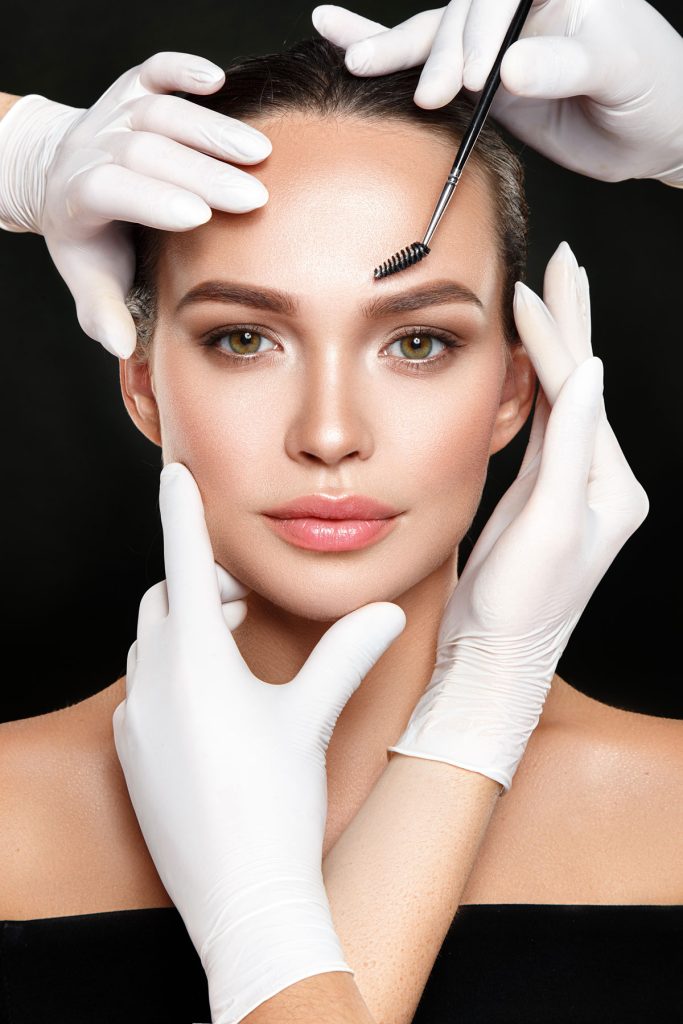

Dreaming of waking up with naturally flushed, beautifully tinted lips? Lip blushing offers a revolutionary way to achieve this, but the key to truly stunning and harmonious results lies in understanding the intricate relationship between pigment selection and your individual skin tone. What looks like a gorgeous rosy hue on one person might appear strikingly different on another. Today, we’re diving deep into the art of personalized lip blushing, exploring how your unique complexion plays a pivotal role in unlocking your perfect lip color.
The Color Wheel: Your Secret Weapon in Understanding Undertones
Before we delve into specific skin tones, let’s revisit the fundamental principles of color theory, specifically the color wheel. Understanding complementary and analogous colors is crucial for both artists and clients in making informed pigment choices.
- Complementary Colors: These are colors directly opposite each other on the color wheel (e.g., red and green, blue and orange, yellow and violet). When placed next to each other, they create the most contrast and can make each other appear more vibrant. In lip blushing, understanding complementary colors is vital for neutralizing unwanted undertones. For instance, if you have naturally cool or bluish-toned lips and desire a warmer pink, a pigment with a subtle warm (yellow or orange-based) undertone might be used to counteract the coolness.
- Analogous Colors: These are colors that sit next to each other on the color wheel (e.g., red, red-orange, orange). They create a harmonious and soft blend. In lip blushing, artists often choose pigments within an analogous color family to create natural-looking depth and dimension.
Your skin also has undertones – the subtle hues beneath the surface color. These undertones (warm, cool, or neutral) significantly influence how a lip pigment will appear. A pigment that looks warm in the swatch might pull cooler on someone with strong cool undertones, and vice versa.
The Spectrum of Beauty: Finding Your Perfect Lip Blush Hue
Let’s explore some general guidelines for lip blush pigment selection based on common skin tone categories. Remember, these are starting points, and a skilled artist will always consider your individual nuances.
- Fair Skin Tones: Individuals with fair skin often look stunning in soft, delicate hues.
- Desired Effect: Think subtle enhancement, a “just kissed” look.
- Pigment Examples: Soft roses, delicate pinks with a neutral or slightly cool base, sheer corals, and muted mauves can create a beautiful, natural flush without overpowering fair complexions. Avoid overly bright or deep colors initially, as they can appear stark.
- Neutralizing Discoloration: If fair lips have a bluish undertone, a pigment with a hint of warm peach or coral can gently counteract this.
- Medium Skin Tones: This versatile skin tone can carry a wider range of lip blush shades beautifully.
- Desired Effect: From a noticeable everyday tint to a more defined, medium intensity.
- Pigment Examples: Dusty mauves with balanced undertones, rosy pinks with a touch of warmth, soft berry tones, and muted corals work exceptionally well. Medium skin can often handle slightly more saturation than fair skin.
- Neutralizing Discoloration: If medium lips have brown or purplish undertones, pigments with a subtle orange or reddish-brown base can help neutralize and create a more even canvas.
- Olive Skin Tones: The beautiful green and yellow undertones in olive skin require careful pigment selection to avoid looking ashy or too cool.
- Desired Effect: Enhancing the natural warmth and richness of the lips.
- Pigment Examples: Warm peaches, terracotta hues, muted oranges with a hint of pink, and earthy rose tones tend to harmonize beautifully with olive skin. Avoid overly cool or blue-based pinks, which can sometimes look flat.
- Neutralizing Discoloration: If olive lips have cool or ashy undertones, pigments with a stronger warm (orange or golden) base will be necessary for effective neutralization.
- Deep Skin Tones: Rich, deep complexions can carry vibrant and bold lip blush shades with incredible impact.
- Desired Effect: Adding depth, richness, and definition to the lips.
- Pigment Examples: Rich berries, deep plums, warm browns with red undertones, and vibrant corals can look stunning. Don’t shy away from more saturated colors.
- Neutralizing Discoloration: Hyperpigmentation in deep lips often presents as darker brown or bluish tones. Neutralization may require multiple sessions using specialized warm-toned pigments with high opacity.
Neutralizing Discoloration: A Personalized Approach
It’s crucial to remember that many individuals have some level of natural lip discoloration, whether it’s due to genetics, sun exposure, or other factors. Lip blushing offers a fantastic solution for creating a more even and balanced lip tone before applying the desired blush color. This often involves using complementary colors in a subtle, layered approach. For example, a skilled artist might use a very sheer olive-toned pigment to neutralize redness or a soft orange to counteract bluish undertones.
Questions to Ask Your Artist: Your Voice in the Color Selection Process
To ensure your lip blush journey results in your perfect personalized hue, don’t hesitate to ask your artist these crucial questions during your consultation:
- “Can you explain how my skin tone and undertones will influence the final lip blush color?”
- “What pigment colors do you recommend specifically for my skin tone and desired look? Can you show me swatches on similar skin tones?”
- “If I have any natural discoloration in my lips, how will you address that during the procedure?”
- “Can you explain the undertones of the pigments you plan to use?”
- “Do you have before-and-after photos of clients with similar skin tones who have had the color I’m interested in?”
- “What is your approach to color correction if the initial healed results aren’t exactly as expected?”
By understanding the interplay between skin tone, color theory, and the artistry of lip blushing, you can embark on this transformative journey with confidence, knowing that your perfect personalized pout is within reach. Remember, open communication with your skilled artist is the key to unlocking your most flattering and harmonious lip color.
Would you try lip blushing? ~Ambar
Leave a Reply