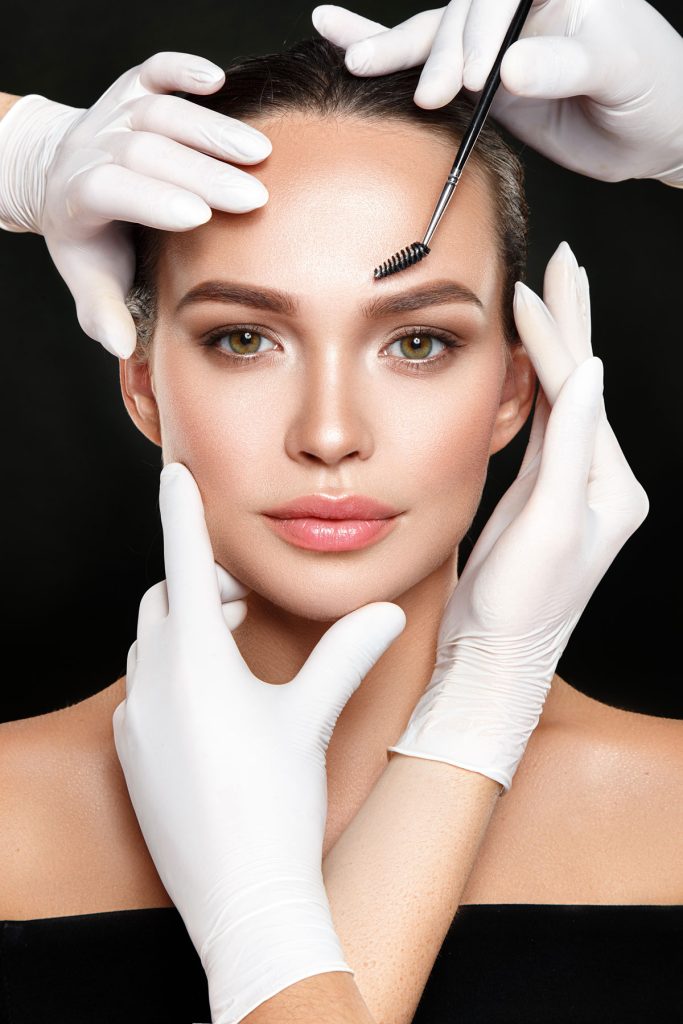

Thinking about enhancing your lips with a beautiful tattoo? That’s exciting! However, if you have a history of oral herpes (cold sores, caused by the herpes simplex virus, HSV-1), there are crucial considerations you must be aware of before booking your appointment. Let’s have an honest and detailed discussion about herpes and lip tattoos to ensure your safety and the best possible outcome.
Should You Get a Lip Tattoo if You Have Herpes?
The answer isn’t a simple yes or no. Having a history of oral herpes doesn’t automatically disqualify you from getting a lip tattoo (like lip blush or a full lip color). However, it significantly increases the risk of a cold sore outbreak triggered by the procedure.
Are There Any Contraindications?
Yes, there is a clear contraindication: an active, visible herpes infection (cold sore) on or around your lips.
- Never get a lip tattoo when you have an active cold sore. Tattooing over an active outbreak can:
- Spread the virus: You risk spreading the herpes simplex virus to other areas of your lips or even your face.
- Severe irritation and discomfort: The tattooing process will further irritate the already inflamed area, causing significant pain and potentially prolonging the healing process of the cold sore.
- Poor tattoo results: The inflammation and scabbing from the cold sore can interfere with pigment implantation, leading to patchy color and uneven results.
- Increased risk of secondary infection: An open sore is already vulnerable; adding a tattoo procedure increases the risk of a secondary bacterial infection.
Is It Safe? Will It Spread More?
Getting a lip tattoo when you don’t have an active outbreak carries a risk of triggering an outbreak if you have a history of HSV-1. The trauma to the lip tissue from the tattooing needles can reactivate the dormant virus.
Will it spread more in the long term? The lip tattoo itself won’t cause you to have more frequent herpes outbreaks. However, each outbreak can potentially affect the healed color of your tattoo in the affected area, leading to unevenness over time.
Can I Get the Tattoo with an Active Visible Infection? Wait Until It’s Gone?
Absolutely not. As mentioned before, tattooing over an active cold sore is contraindicated for all the reasons listed above. You must wait until the cold sore has completely healed, including the crusting and any residual redness, before considering a lip tattoo appointment.
Take Medications as Prophylactic?
This is the most crucial step for individuals with a history of oral herpes considering a lip tattoo.
- Consult your doctor: You must consult with your primary care physician or a dermatologist about the possibility of taking antiviral medication as a prophylactic (preventative) measure before and after your lip tattoo procedure.
- Common antiviral medications: Doctors often prescribe medications like acyclovir, valacyclovir (Valtrex), or famciclovir (Famvir) to help suppress the herpes virus and reduce the likelihood of an outbreak being triggered by the lip tattoo.
- Dosage and timing: Your doctor will determine the appropriate dosage and duration of the antiviral medication based on your individual history and the specifics of the procedure. It’s typically started a day or two before the appointment and continued for a few days afterward.
- This is not a guarantee: While prophylactic antiviral medication significantly reduces the risk of an outbreak, it doesn’t eliminate it entirely. Be prepared that a cold sore could still potentially occur.
Working with Your Artist: Transparency is Key
It is absolutely essential to be upfront and honest with your chosen lip tattoo artist about your history of oral herpes. A reputable and experienced artist will:
- Ask about your medical history, including any history of cold sores.
- Likely recommend or even require you to consult with your doctor about prophylactic antiviral medication.
- Reschedule your appointment if you have an active outbreak.
- Provide detailed aftercare instructions to minimize the risk of complications.
In Conclusion:
Getting a lip tattoo with a history of herpes requires careful planning and proactive steps. While it’s often possible with the right precautions, including consulting your doctor about prophylactic antiviral medication and ensuring you have no active infection, it’s crucial to prioritize your health and be fully informed about the potential risks. Choose a reputable artist who prioritizes safety and is knowledgeable about this specific concern. By working together and taking the necessary steps, you can strive for beautiful lip enhancement while minimizing the risk of a herpes outbreak
Take this lip blush pre-questionnaire to see if you qualify ~Ambar
Leave a Reply