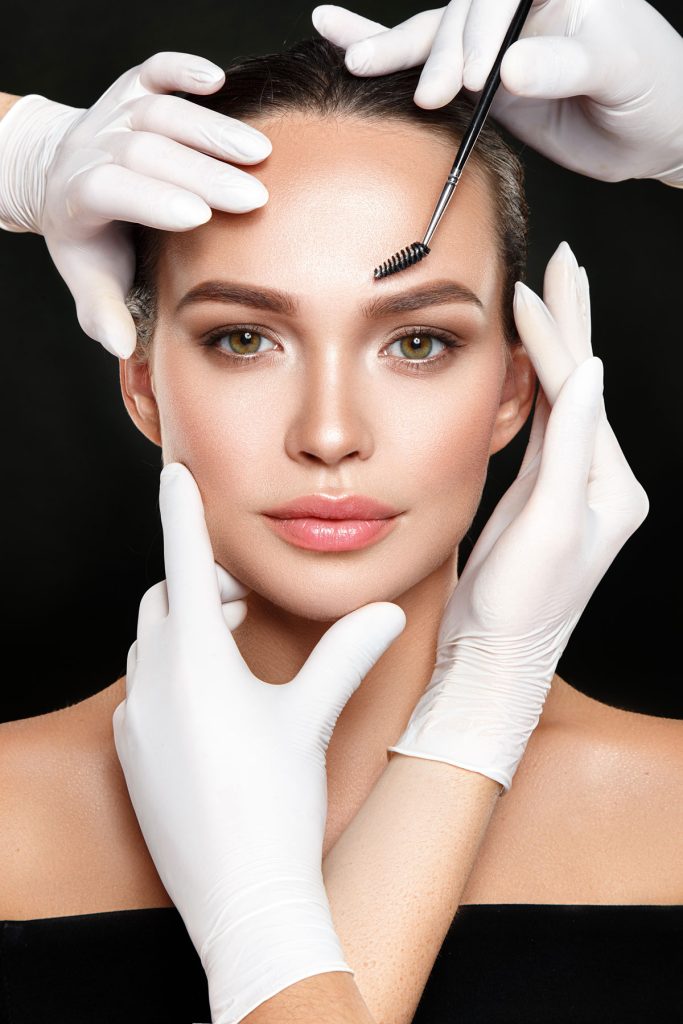

You’ve scrolled through Instagram, fallen in love with perfectly blushed pouts, and finally booked your lip blush consultation! You’re probably buzzing with excitement, ready to pick out that perfect shade. But as you settle in with your artist, you might notice they’re asking about more than just your favorite lipstick. They’re delving into your health history, your daily habits, and even your long-term goals.
“Why all the questions?” you might wonder. “Isn’t this just about picking a pretty color?”
The truth is, your lip blush consultation is the absolute bedrock of your success. It’s not just about choosing a pigment; it’s a deep dive into what your artist really needs to know to ensure your safety, deliver stunning, long-lasting results, and manage your expectations perfectly.
Beyond the Perfect Pigment: Your Natural Canvas Matters Most
While color selection is exciting, a skilled lip blush artist knows that your natural lip tone and underlying health are the true canvases.
- Your Natural Lip Pigmentation: This is paramount. Your artist isn’t just looking at the surface color of your lips. They’re assessing your natural undertones (cool, warm, neutral) and any areas of hyperpigmentation or hypopigmentation.
- Why it matters: Trying to put a cool-toned nude over naturally purplish lips, for instance, can lead to a muddy or grey healed result. Your artist needs to understand this interaction to choose a pigment that will heal true and beautiful, often requiring lip neutralization as a first step if your lips have significant coolness or darkness. This means a different approach than simply picking a brown from a swatch.
- Your Overall Skin Tone and Undertones: The color of your face and neck also influence how the lip pigment will look. A shade that pops beautifully on a warm complexion might look harsh or completely disappear on a cooler one.
Your Health History: The Ultimate Safety Check
This is the part that often feels intrusive, but it’s non-negotiable. Every question about your health is a safeguard for you.
- Medications (especially blood thinners): Certain medications can thin your blood, leading to excessive bleeding during the procedure, which can push pigment out, cause bruising, and affect retention. Your artist needs to know if you’re on anything from aspirin to prescription anticoagulants.
- Autoimmune Conditions (e.g., Lupus, Rheumatoid Arthritis, Crohn’s Disease): These conditions affect your body’s immune response and healing capabilities. PMU involves creating micro-wounds, and a compromised immune system can lead to poor healing, infection, or unpredictable pigment retention.
- Skin Conditions (e.g., Eczema, Psoriasis, Dermatitis on or around the lips): These conditions can make the skin fragile, prone to irritation, or affect pigment uptake and healing.
- Allergies: Beyond common allergies, specific reactions to anesthetics, pigments, or aftercare products are crucial to identify.
- Healing History (e.g., Keloids, Hypertrophic Scars): If you’re prone to abnormal scarring, your artist needs to know this to assess risk and potentially adjust technique or recommend against the procedure.
- Recent Procedures: Have you had lip fillers recently? Dental work? Facial surgery? Timing is critical for safe and optimal healing of both procedures.
Your Lifestyle: Because Your Lips Live Your Life Too!
Your daily habits can impact how your lip blush heals and lasts.
- Sun Exposure: Do you spend a lot of time outdoors? UV rays are the number one enemy of PMU pigment, accelerating fading. Your artist will emphasize diligent SPF use.
- Smoking: Nicotine can restrict blood flow, affecting healing and pigment retention. It can also cause or worsen natural lip darkness, impacting color choice.
- Active Skincare Routine (Retinoids, AHAs/BHAs): As discussed in previous posts, these powerful ingredients can significantly impact pigment longevity if not managed carefully. Your artist needs to know what you’re using.
- Occupational Exposure: Do you work in environments with extreme temperatures, chemicals, or dust? This can impact healing and long-term results.
Realistic Outcome Discussions: Managing Expectations
This is where your artist prevents future disappointment.
- “Perfect” vs. “Enhanced”: Lip blush is an enhancement, not an opaque lipstick. It gives a beautiful tint, definition, and often corrects minor asymmetry, but it won’t give you the exact look of freshly applied matte lipstick.
- Healing Process: Your artist will walk you through the day-by-day healing, including initial darkness, potential swelling, flaking, and the “ghosting” phase before the true color appears. Understanding this prevents panic.
- Longevity & Touch-Ups: They’ll discuss realistic fading expectations and the necessity of the perfecting touch-up session, usually 6-8 weeks later, and then annual color boosts.
- Limitations: A reputable artist will clearly communicate what lip blush can’t do (e.g., dramatically increase lip size like filler, completely change a very dark natural lip tone in one session).
The Bottom Line: Trust the Process, Trust Your Artist
That thorough consultation, though it might feel like an interview, is a testament to your artist’s professionalism and commitment to your safety and satisfaction. Be open, be honest, and ask all your questions. When you both have a complete picture, you’re setting the stage for a truly beautiful, long-lasting lip blush result that you’ll adore.
Have you ever been surprised by the depth of questions in a PMU consultation? Share your experience in the comments! ~ Ambar
Leave a Reply