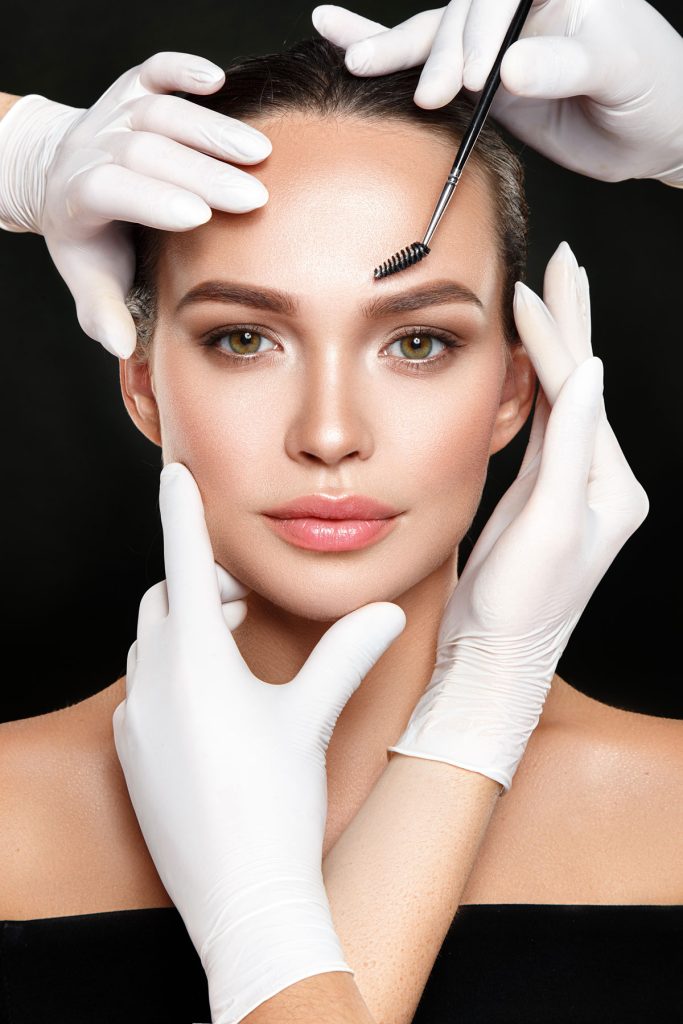

You’ve invested in the precision and artistry of nanobrows, loving the perfectly sculpted, natural-looking arches that frame your face. But here’s the reality check no one wants to hear: all permanent makeup fades. It’s not a matter of if, but when, and at what rate.
While fading is a natural part of the PMU journey, understanding the factors that influence it can empower you to predict how your nanobrows might age and, more importantly, equip you with the knowledge to significantly slow down “the fading game.”
Why Do Nanobrows Fade? The Science Behind the Softening
Nanobrows are considered semi-permanent because the pigment is implanted in the upper layers of the dermis, not as deep as traditional tattoos. This allows for that delicate, hair-like realism. However, this shallower placement also means the pigment is more susceptible to your body’s natural processes and external elements:
- Cell Turnover: Your skin is constantly regenerating. As new skin cells form, old ones shed, taking tiny bits of pigment with them.
- Immune System Response: Your body naturally tries to remove foreign particles, including pigment.
- Pigment Composition: Over time, pigments can break down, and some colors might shift more than others.
Predicting Your Personal Fading Rate: Individual Factors at Play
While every set of nanobrows will eventually fade, your individual body and lifestyle play a huge role in how quickly that happens. Think of these as your personal “fading predictors”:
- 1. Metabolism (The Fast Faders vs. The Slow Faders): This is one of the biggest, yet least controllable, factors. Individuals with a higher metabolism tend to experience faster pigment fading. If you’re someone who heals quickly from cuts or bruises, your body might also metabolize pigment more rapidly.
- 2. Skin Type (Oily vs. Dry/Normal):
- Oily Skin: Often the quickest faders. Excess sebum production can push pigment out during healing and cause it to break down faster over time, sometimes leading to a softer or blurred appearance as well.
- Dry/Normal Skin: Generally holds pigment better and longer due to less oil production and often a more stable skin surface.
- 3. Sun Exposure (The UV Villain): This is arguably the biggest external factor. UV rays from the sun break down pigment molecules. Constant, unprotected sun exposure on your brows will cause them to fade faster and can even alter their color (e.g., turning warmer or ashier).
- 4. Skincare Routine (The Active Accelerators): Ingredients like Retinoids (Retin-A, Tretinoin, Retinol), AHAs (Glycolic Acid, Lactic Acid), and BHAs (Salicylic Acid) all accelerate cell turnover. If used on or around your brows, they will cause pigment to shed faster.
- 5. Medications & Health Conditions:
- Blood Thinners: Can cause more bleeding during the procedure, potentially affecting initial pigment implantation and retention.
- Thyroid Medication: Some clients on thyroid medication report faster fading.
- Autoimmune Conditions: Can affect healing and pigment retention unpredictably.
- Iron Deficiency: Some anecdotal evidence suggests it might play a role in color retention for certain individuals.
- 6. Lifestyle Factors:
- Frequent Sweating: Excessive sweating can push out pigment over time, similar to oily skin.
- Chlorine/Salt Water Exposure: Prolonged exposure to chlorinated pools or saltwater can also contribute to fading.
- Smoking: Can impede healing and affect pigment longevity.
- 7. Pigment Color: Lighter shades (blonde, light brown) naturally show fading more quickly than darker, more saturated shades.
How to Slow Down the Fading Game: Your Aftercare & Long-Term Hacks!
While you can’t stop time or change your metabolism, you can significantly influence the longevity of your nanobrows.
- Religiously Follow Aftercare Instructions (Crucial First 2 Weeks): This is non-negotiable. Proper initial healing is paramount for pigment retention.
- Keep them dry (as instructed).
- Avoid sweating, direct sun, makeup on brows.
- Apply aftercare balm sparingly, as directed by your artist.
- Sun Protection is Your Best Friend (Always!):
- Wear a Hat: A wide-brimmed hat is your ultimate shield when outdoors.
- Apply SPF: Once fully healed, use a high-quality SPF 30+ specifically formulated for the face (or a mineral sunscreen) directly over your brows every single day, even on cloudy days. Reapply if sweating or swimming.
- Strategically Apply Skincare Actives:
- Create a “Moat”: When using retinoids, AHAs/BHAs, or strong serums, apply them to the rest of your face but avoid the brow area by at least half an inch to an inch.
- Gentle Cleansing: Be gentle when washing your face; avoid harsh scrubbing over your brows.
- Stay Hydrated: Healthy, hydrated skin can help pigment retention. Drink plenty of water!
- Avoid Certain Treatments Directly on Brows: Facials, chemical peels, microdermabrasion, and laser treatments should never be performed directly over your nanobrows. Always inform your aesthetician about your PMU.
- Schedule Timely Touch-Ups (Color Boosts):
- Even with the best care, your brows will need a refresh. Most clients return for a “color boost” every 12-24 months. Think of it like getting your hair color touched up. Your artist will advise you on the best timing based on your unique fading rate.
Understanding how your unique body and lifestyle interact with your nanobrows empowers you. By being proactive with sun protection, mindful of your skincare, and consistent with touch-ups, you can ensure your beautiful nanobrows stay vibrant and defined for years to come. Don’t let the fading game win – take control!
What’s your biggest challenge in slowing down nanobrows fading? Share your tips or questions in the comments below! ~Ambar
Leave a Reply