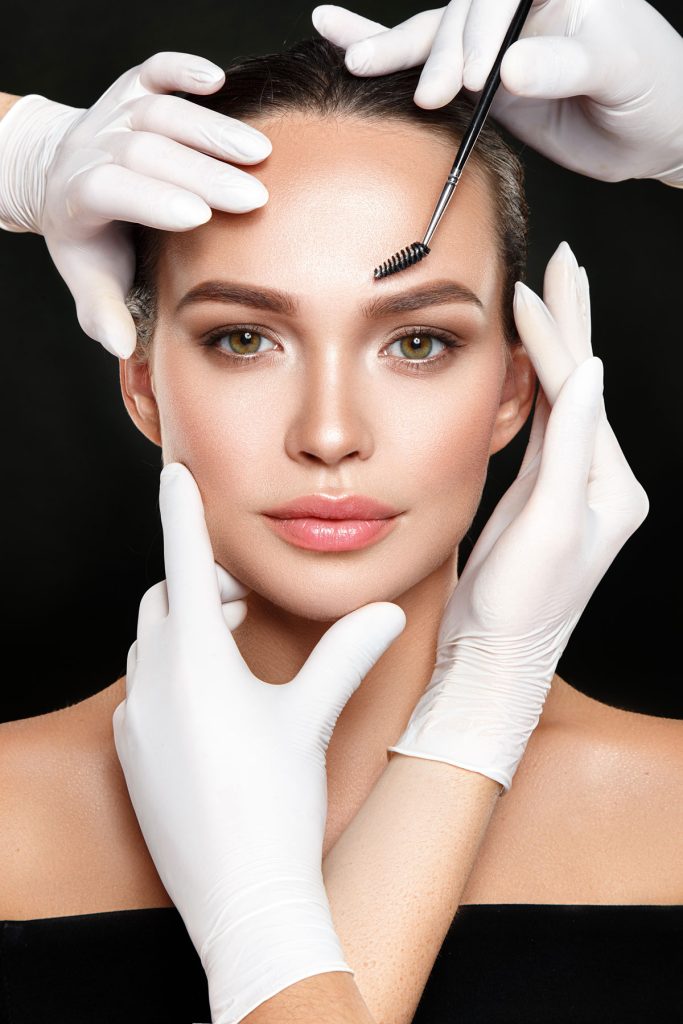

Lip blush is a transformative cosmetic procedure that can enhance your natural lip color and shape, giving you a beautiful, effortless pout. However, if you are a smoker, there are unique factors to consider before, during, and after your lip blush appointment. The effects of smoking on your lips from color and texture to the healing process require special attention from both you and your artist.
This isn’t about judgment; it’s about being informed. A skilled professional will understand these challenges and have specific strategies to ensure you get the best possible result.
The Unique Challenges of Nicotine-Stained Lips
Over time, smoking can cause lips to develop a darker, often purplish or brownish hue. This is due to a combination of factors:
- Hyperpigmentation: Nicotine and tar in cigarette smoke can stimulate the production of melanin, the pigment that gives your skin its color. This can lead to uneven, dark patches on the lips.
- Reduced Blood Flow: Smoking constricts blood vessels, which reduces blood flow to the delicate tissue of the lips. This can cause the natural rosy color to fade, leaving a dull or grayish appearance.
- Lip Texture: The repetitive motion of pursing your lips to smoke can also lead to fine lines and wrinkles around the mouth, which can affect the smooth application of pigment.
These factors make lip blush on a smoker’s lips a more complex process than on a non-smoker’s. The artist must work with a different canvas, one that requires a specialized approach.
The Color Theory: Neutralization is Key
For smokers, the goal of the first lip blush session is often not to simply add a color, but to first neutralize the underlying darkness. A professional artist with expertise in “dark lip neutralization” will begin by using a warm-toned pigment, often an orange or a reddish-orange.
- Why a warm base? The orange tones are used to counteract the cool, blue, and purple tones in the hyperpigmented areas of the lips. If a pink pigment were applied directly over the dark areas, the final healed result could look gray or muddy. The orange acts as a corrective layer, creating a neutral base for the desired color to be applied in a subsequent session.
It is crucial to understand that this is often a multi-session process. The first session is about color correction, and the final, desired color will be implanted in a follow-up appointment once the lips have healed from the initial neutralization.
Healing & Longevity: The Importance of Aftercare
The healing process for a smoker is also different and requires more diligence. Nicotine constricts blood vessels, which can impede the healing process. This means:
- Delayed Healing: It may take longer for a smoker’s lips to heal and for the pigment to fully set. Scabbing and flaking may last for a longer period.
- Higher Risk of Complications: The reduced blood flow can make the lips more susceptible to infection during the healing period.
Because of these factors, strict adherence to aftercare instructions is even more important. Your artist will provide specific guidance, but here are some general recommendations:
- Refrain from Smoking: It is highly recommended to abstain from smoking for at least 72 hours after the procedure to allow the lips to heal and the pigment to settle. The act of smoking itself can also be detrimental, as the repetitive mouth movement and smoke can irritate the new tattoo.
- Stay Hydrated: Drinking plenty of water is always important for healing, but it’s especially critical for smokers to help flush out toxins and keep the lips moisturized.
- Use a Straw: For the first few days, using a straw to drink can help avoid unnecessary friction on the lips and reduce the risk of irritation or infection.
Managing Expectations & Long-Term Care
A realistic understanding of the process is key. The initial healing will be more dramatic, and the final healed result may require more frequent touch-ups compared to a non-smoker. The rate of pigment fading can be faster due to the effects of smoking on the skin’s metabolism and blood flow.
- More Frequent Touch-Ups: While a non-smoker might get a touch-up every 2-3 years, a smoker may need a color refresh every 1-2 years to maintain the vibrancy of the pigment.
- Protect Your Investment: Beyond quitting or cutting back, protecting your lips with a high-quality SPF lip balm is crucial for everyone, but especially for smokers, as UV exposure can accelerate pigment breakdown.
Lip blush for smokers is not only possible but can be a life-changing procedure, restoring a beautiful, natural color to the lips. By choosing a knowledgeable artist and committing to a diligent aftercare routine, you can ensure your results are stunning and long-lasting.
Let’s customize your lips here! ~Ambar
Ready to BOOK?
Leave a Reply