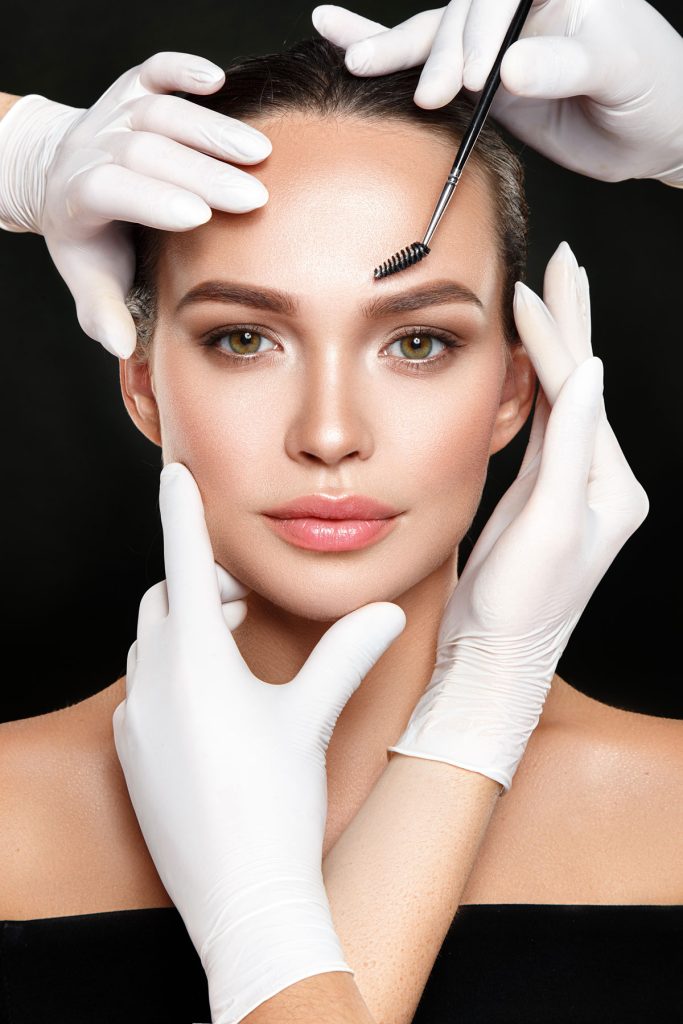

You’ve just had your microblading done, and those perfectly placed, incredibly dense hairstrokes look absolutely flawless in the mirror. It’s the brow dream come true, right? While that initial impact can be stunning, there can indeed be a downside to microblading strokes that are placed too close together. Let’s explore what happens beneath the surface and whether achieving that dense look without sacrificing the individual hairstroke definition is truly possible.
The Immediate Perfection vs. Long-Term Reality
Immediately after a microblading session with closely packed strokes, the brows can appear incredibly full and defined, almost like they’ve been meticulously filled in with powder but with the added texture of individual lines. This can be particularly appealing for those with very sparse natural brows seeking significant density.
The Potential Pitfalls of Overly Close Strokes:
However, the long-term reality of microblading with strokes that are too close can lead to several less-than-desirable outcomes:
- Blurring and Migration: As the skin heals and regenerates, the fine lines of pigment can subtly expand. When strokes are placed too close together, this natural expansion can cause them to merge, resulting in a blurred, solid, or powdery appearance rather than distinct hairstrokes. This defeats the very purpose of microblading, which is to mimic individual hairs.
- Loss of Definition: The beauty of microblading lies in the negative space between the strokes, which creates the illusion of depth and dimension. When strokes are too close, this negative space is minimized or eliminated, leading to a flat and less natural-looking brow.
- Increased Risk of Scarring: Overworking the skin by implanting too many strokes in a concentrated area can cause more trauma. This increased trauma can potentially lead to the development of scar tissue over time, which can affect future pigment retention and the texture of the brow area.
- Limited Touch-Up Options: If the initial strokes are already very dense and close together, there’s less room for the artist to add more strokes during touch-up appointments to address fading or gaps without further increasing the risk of blurring. The brows can become saturated with pigment, making it difficult to achieve crisp new lines.
- Unnatural Appearance: While density might be the initial goal, brows with overly close strokes can sometimes look artificial and lack the natural variation and spacing of real eyebrow hairs.
The Quest for Density Without Losing the Hairstroke:
Achieving a look that appears dense while still retaining the definition of individual hairstrokes is a delicate balancing act. Here’s how experienced artists approach this:
- Strategic Layering: Instead of packing strokes tightly in a single pass, a skilled artist might opt for a layered approach over multiple sessions (if truly needed). This involves creating a foundational layer of well-spaced strokes and then strategically adding more fine strokes in subsequent sessions, allowing the skin to heal in between. This minimizes trauma and the risk of immediate blurring.
- Varying Stroke Length and Direction: Natural eyebrows aren’t uniform. Artists who aim for density without losing definition will vary the length, curvature, and direction of the strokes to mimic real hair growth patterns. This creates a more textured and less “lined” appearance, even if the strokes are placed relatively close.
- Considering Skin Type: As discussed in previous posts, oily skin is more prone to blurring. Artists working on oilier skin types need to be even more mindful of spacing and may opt for slightly more space between strokes to account for potential migration.
- The “Less is More” Philosophy: Often, achieving a natural-looking density involves creating a framework of well-placed strokes and allowing the client’s existing brow hairs to fill in the gaps. Overcrowding with artificial strokes can actually detract from a natural result.
- Understanding Pigment Behavior: Experienced artists understand how different pigments behave in the skin and can choose pigments that are less prone to spreading.
What Your Artist Should Know and Consider:
If you desire a denser nanobrow or microbladed look, it’s crucial to have an open and honest conversation with your artist. They should consider:
- Your natural brow density and hair growth pattern.
- Your skin type (especially if it’s oily).
- Your desired level of fullness.
- Their experience with creating dense yet defined brows.
- Their long-term vision for how the brows will heal and age.
The Bottom Line:
While the initial allure of densely packed microblading strokes can be strong, the long-term risk of blurring and loss of definition is a significant downside. Achieving a beautifully full yet natural-looking brow with distinct hairstrokes requires a skilled artist who understands the delicate balance of stroke placement, layering techniques, and the importance of negative space. Don’t be afraid to discuss your desire for density with your artist, but be open to their professional recommendations for achieving a result that looks stunning not just on day one, but for months and even years to come. Sometimes, less is truly more when it comes to creating lasting, natural-looking hairstroke brows.
Take a questionnaire to see if you qualify~Ambar
Leave a Reply