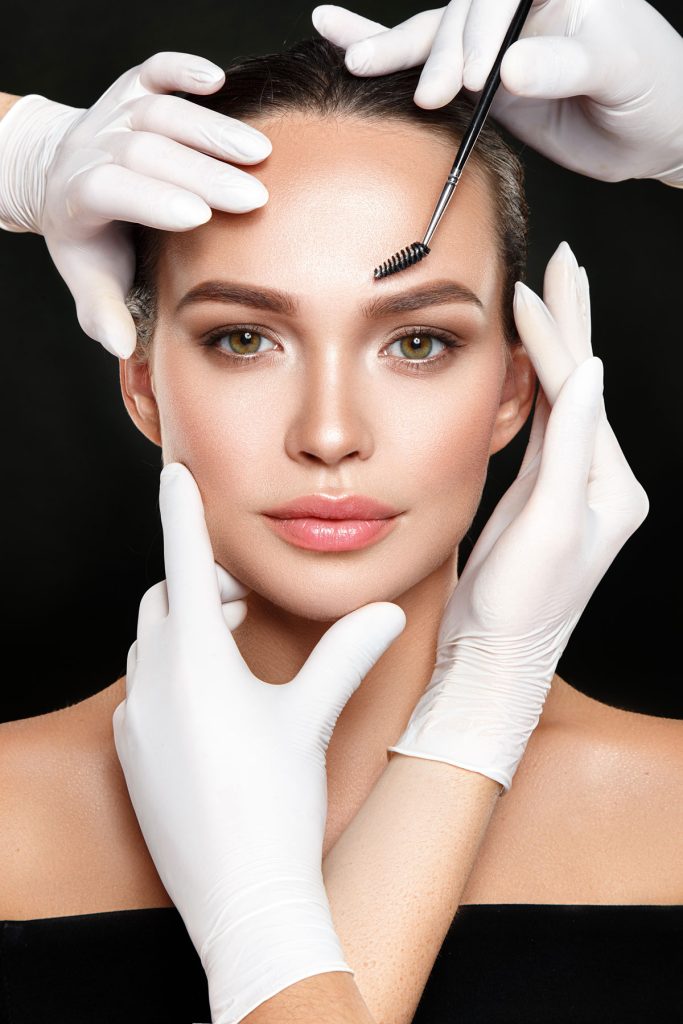

Permanent makeup offers the allure of lasting beauty, but like any procedure that breaks the skin, it carries potential health risks. While serious complications are rare when performed by a reputable artist adhering to strict hygiene standards, it’s crucial to be aware of the possible infections and diseases that can occur. Let’s shed light on these risks, discuss prevention, and understand where responsibility lies.
What Infections and Diseases Can You Get From Permanent Makeup?
The primary risks associated with permanent makeup stem from a lack of proper sterilization, contaminated supplies (especially pigments), and inadequate aftercare. Here are some potential infections and diseases:
- Bacterial Infections: These are the most common type of infection following permanent makeup. Bacteria like Staphylococcus aureus (“staph”) and Streptococcus can enter the skin through the tiny wounds created during the procedure. Symptoms include increased redness, swelling, pain, warmth, pus or drainage, and potentially a fever. In severe cases, antibiotic-resistant infections like MRSA can occur.
- Viral Infections: Bloodborne viruses like Hepatitis B, Hepatitis C, and HIV can be transmitted through the use of unsterilized equipment or the sharing of needles and supplies between clients. While reputable artists use single-use, sterile needles, lapses in hygiene can create a risk.
- Herpes Simplex Virus (HSV) Outbreaks: As discussed in a previous post, if you carry the dormant HSV-1 virus (which causes oral herpes or cold sores), the trauma to the skin during a lip tattoo or permanent eyeliner procedure can trigger an outbreak in the treated area.
- Fungal Infections: Though less common, fungal infections can occur if sterile practices are not followed or if contaminated water is used to dilute pigments.
- Mycobacterial Infections: These are rare but serious infections that can arise from contaminated tattoo inks. They can cause persistent skin nodules and require long-term antibiotic treatment.
Are These Infections Preventable?
Yes, the vast majority of infections and disease transmission related to permanent makeup are preventable through strict adherence to safety protocols by the artist and diligent aftercare by the client.
Advice on Taking Care of Each (If an Infection Occurs):
It is crucial to seek medical attention immediately if you suspect any type of infection after getting permanent makeup. Do not attempt to self-treat with over-the-counter remedies, as this can delay proper diagnosis and treatment, potentially leading to more severe complications.
- Bacterial Infections: Your doctor will likely prescribe oral or topical antibiotics depending on the severity of the infection. Keep the area clean and dry as advised by your healthcare provider.
- Viral Infections: If you suspect exposure to bloodborne viruses, immediate medical testing is necessary. Treatment for Hepatitis B and C involves antiviral medications. HIV is managed with antiretroviral therapy.
- Herpes Simplex Virus (HSV) Outbreaks: As discussed previously, antiviral medications prescribed by your doctor are the primary treatment.
- Fungal Infections: Antifungal creams or oral medications will likely be prescribed by your doctor.
- Mycobacterial Infections: These require specific long-term antibiotic treatment, often guided by an infectious disease specialist.
Is It the Artist’s Fault?
Determining fault in the case of an infection can be complex and depends on the specific circumstances.
It is more likely to be the artist’s fault if:
- They did not use single-use, sterile needles and supplies.
- Their workstation was visibly unclean.
- They did not follow proper hand hygiene procedures.
- They used non-sterile water to dilute pigments.
- They were not properly licensed or trained in infection control.
- They proceeded with the procedure despite visible signs of skin infection or other contraindications.
It is less likely to be solely the artist’s fault if:
- The artist followed all proper sanitation and sterilization protocols.
- The infection arose due to improper aftercare by the client (e.g., touching the area with dirty hands, not keeping it clean and dry, picking at scabs).
- The client had an undisclosed pre-existing condition that increased their risk of infection.
- The client experienced a triggered herpes outbreak despite the artist taking precautions and recommending prophylactic medication.
However, even with proper artist technique, contaminated pigments can cause infections, and in such cases, the fault may lie with the pigment manufacturer.
Preventing Infections: Your Role and the Artist’s Responsibility
As a client, you can significantly reduce your risk by:
- Choosing a reputable, licensed, and experienced artist who prioritizes hygiene and safety.
- Asking about their sterilization procedures and ensuring they use single-use needles opened in front of you.
- Ensuring the artist wears gloves throughout the procedure.
- Following the aftercare instructions meticulously.
- Being honest about your medical history, including any conditions or medications that might increase your risk of infection.
- Avoiding touching the treated area with unwashed hands.
- Keeping the area clean and dry as instructed.
A responsible artist will:
- Be properly trained and licensed.
- Maintain a clean and sterile environment.
- Use single-use, sterile needles and disposable supplies.
- Wear appropriate personal protective equipment (PPE), such as gloves and masks.
- Properly sanitize their workstation and equipment.
- Provide thorough pre-care and aftercare instructions.
- Ask detailed questions about your medical history.
- Know when it is unsafe to proceed with a procedure.
The Takeaway:
While permanent makeup can be a wonderful way to enhance your natural beauty, understanding the potential risks of infection and disease is crucial. By choosing a reputable artist who adheres to strict safety standards and by diligently following aftercare instructions, you can significantly minimize these risks. If you do develop signs of an infection, seek medical attention promptly. Remember, your health and safety should always be the top priority.
See if you pre qualify for brows here ~Ambar
Leave a Reply